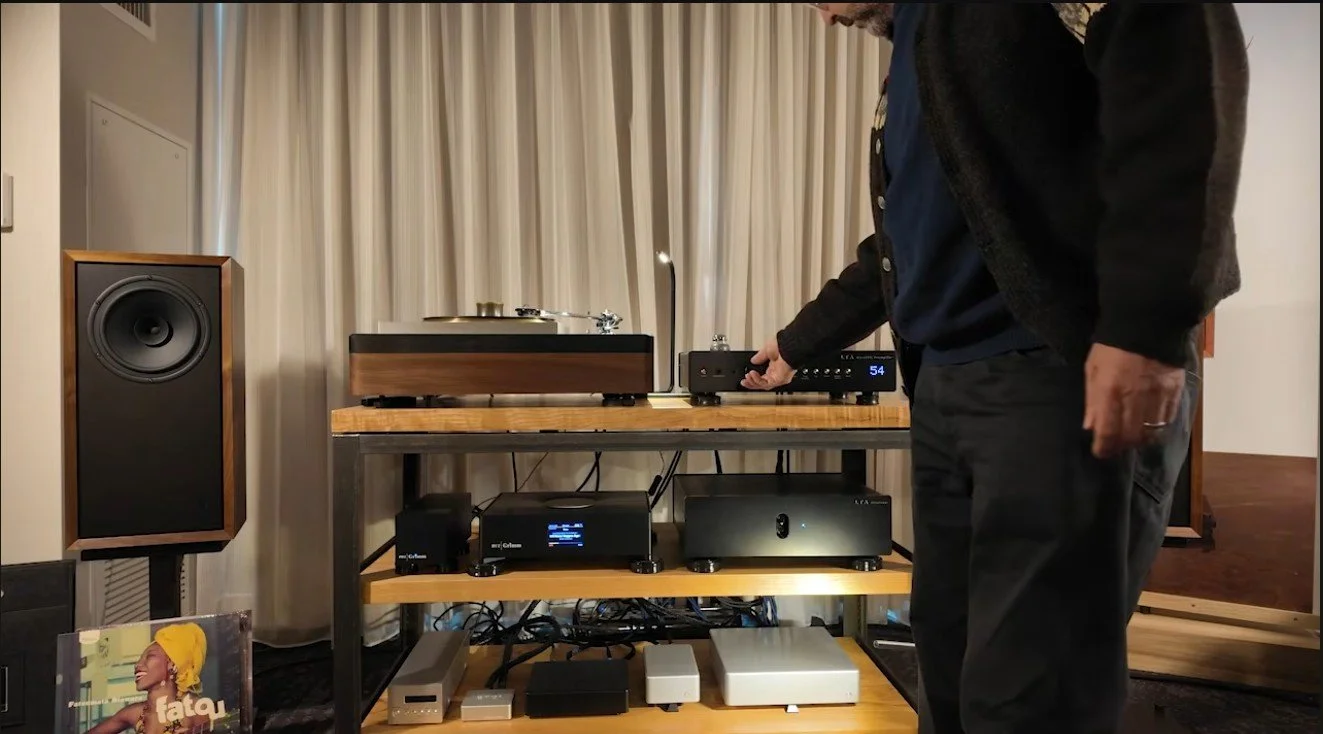
What Can You Even Filter Out of Ones and Zeros?
Reflections on streaming, system building, and the digital audio assumptions I've had to reconsider.
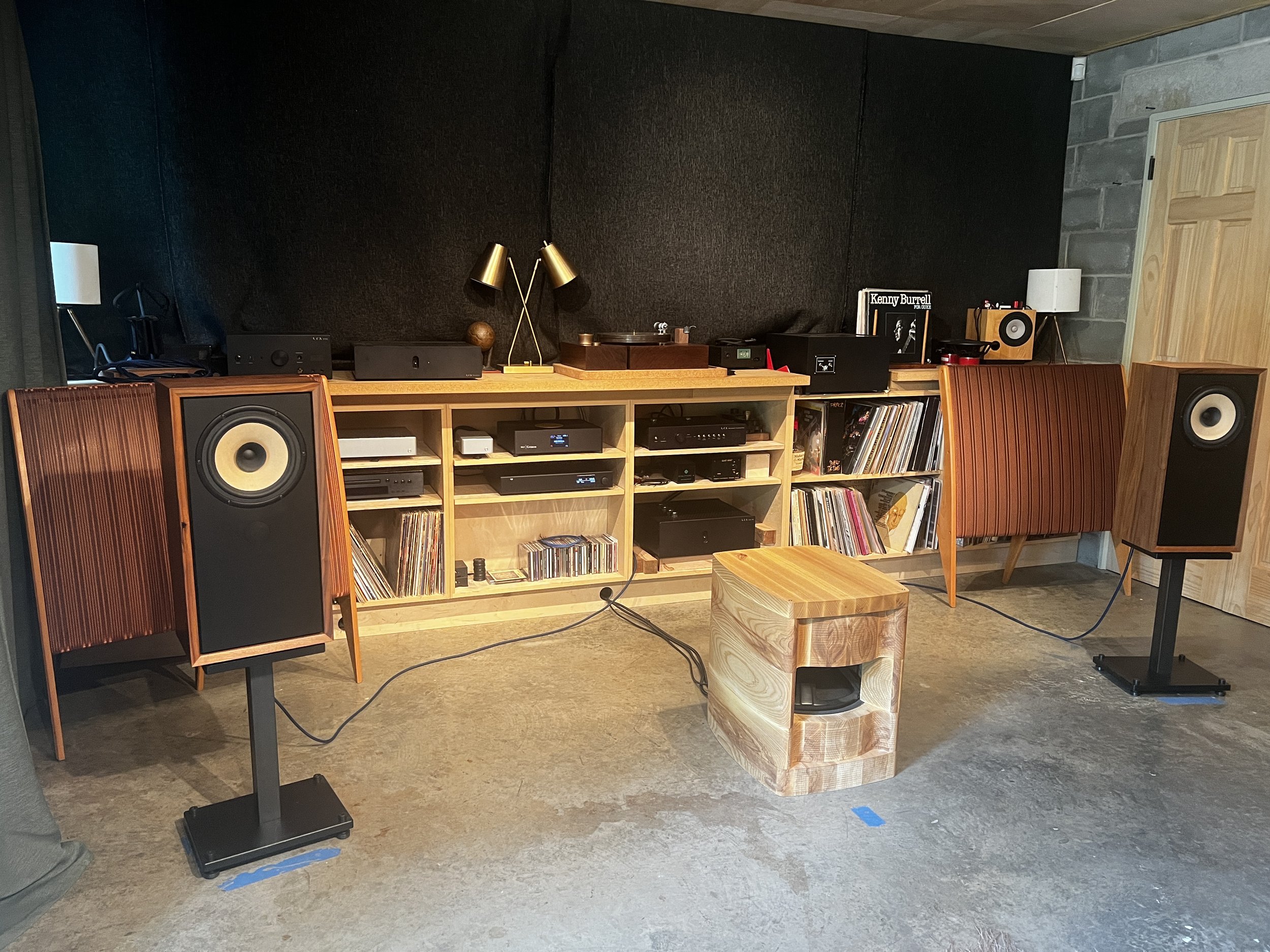
Cables galore: my reference system at home. Components by Weiss Engineering, Grimm Audio, Linear Tube Audio and Network Acoustics. Cabling by Black Cat. Fern & Roby custom turntable with vintage Ortofon tonearm driving early prototype Fern & Roby Raven II speakers and a concept subwoofer I designed. Vintage Quad 57s.
I was slow to embrace digital
When I was first getting started in hi-fi, I ran into some perplexing attitudes that were almost tribal in nature.
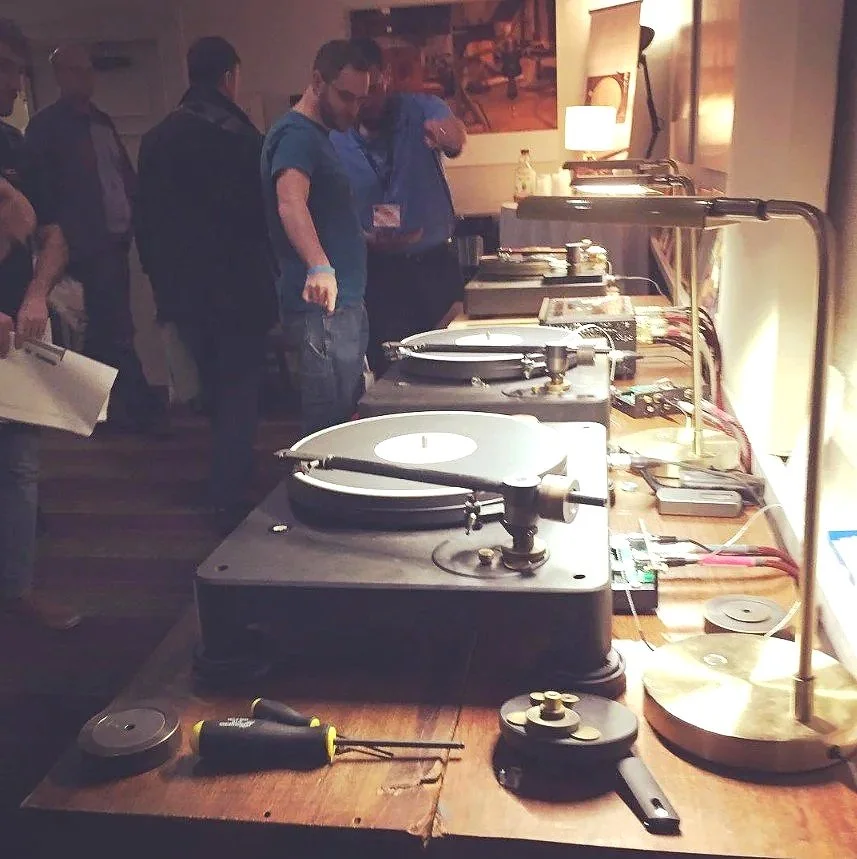
Pictured: Three Tredegar tables at CAF in 2017
At one of my first Capital Audiofests, back when that show was still in Silver Spring, Md., I was showing our cast iron Tredegar turntable and reclaimed heart pine Beam speakers (some of you might remember these products from the early Fern & Roby catalogue).
I was incredibly excited to spend the entire weekend talking with people who were passionate about music and audio.
At one point, a CAF attendee came into the room and spent some time looking over the Tredegar. Assuming he might have questions, I asked if I could help. He looked at me and said (somewhat dismissively), "No, I'm a strictly digital guy."
I remember being a little puzzled by the response and just kind of thought, "Okay, cool..."
I've never really understood being a one-kind-of-a-thing guy about much of anything. I've always enjoyed digging into how things are made, how they work, and why certain approaches succeed (or don’t).
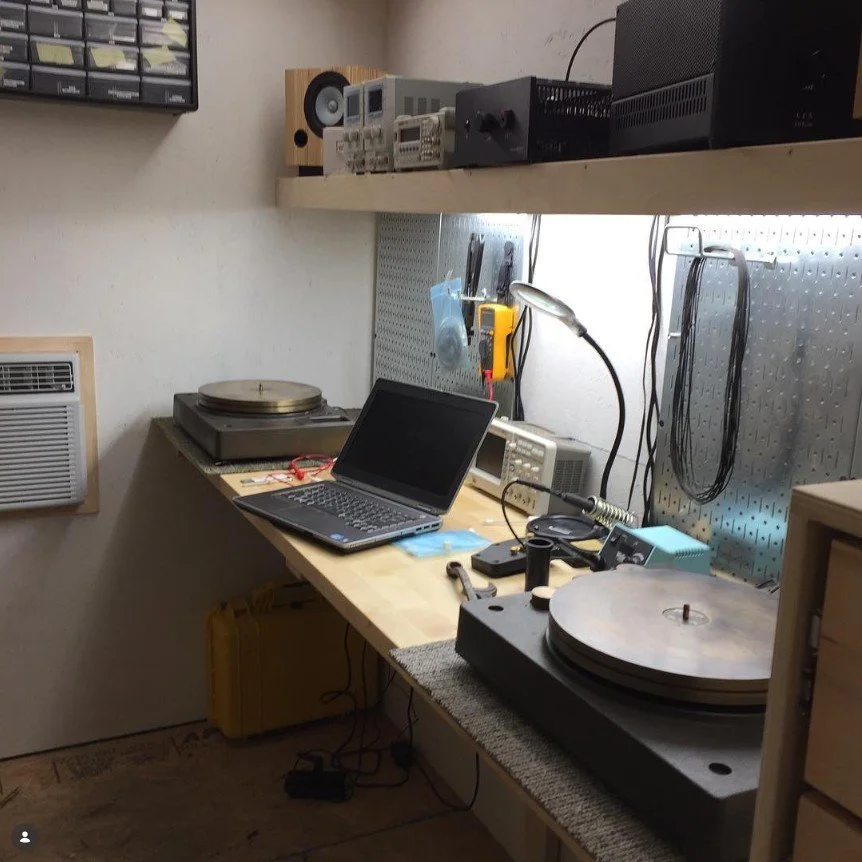
Pictured: Testing Tredegars for Munich High End in 2018
For a long time, I was singularly focused on turntables and analog playback in our product line, so it probably makes sense that I was a little slower to explore digital audio myself.
But part of that was practical; the turntables and speakers that were the focus of our early business were a natural fit for the design and manufacturing capabilities we had spent years developing through Tektonics.
Exploring digital audio felt like it would be stepping into a completely different world.
The other issue was that early streaming and server-based audio looked incredibly complicated from the outside. The systems I saw friends using often felt like science projects. It seemed like you needed to be an IT director just to get a music server working, and then you had to figure out all of the hardware and software issues that came afterward. It just was not where my mind was at at the time.
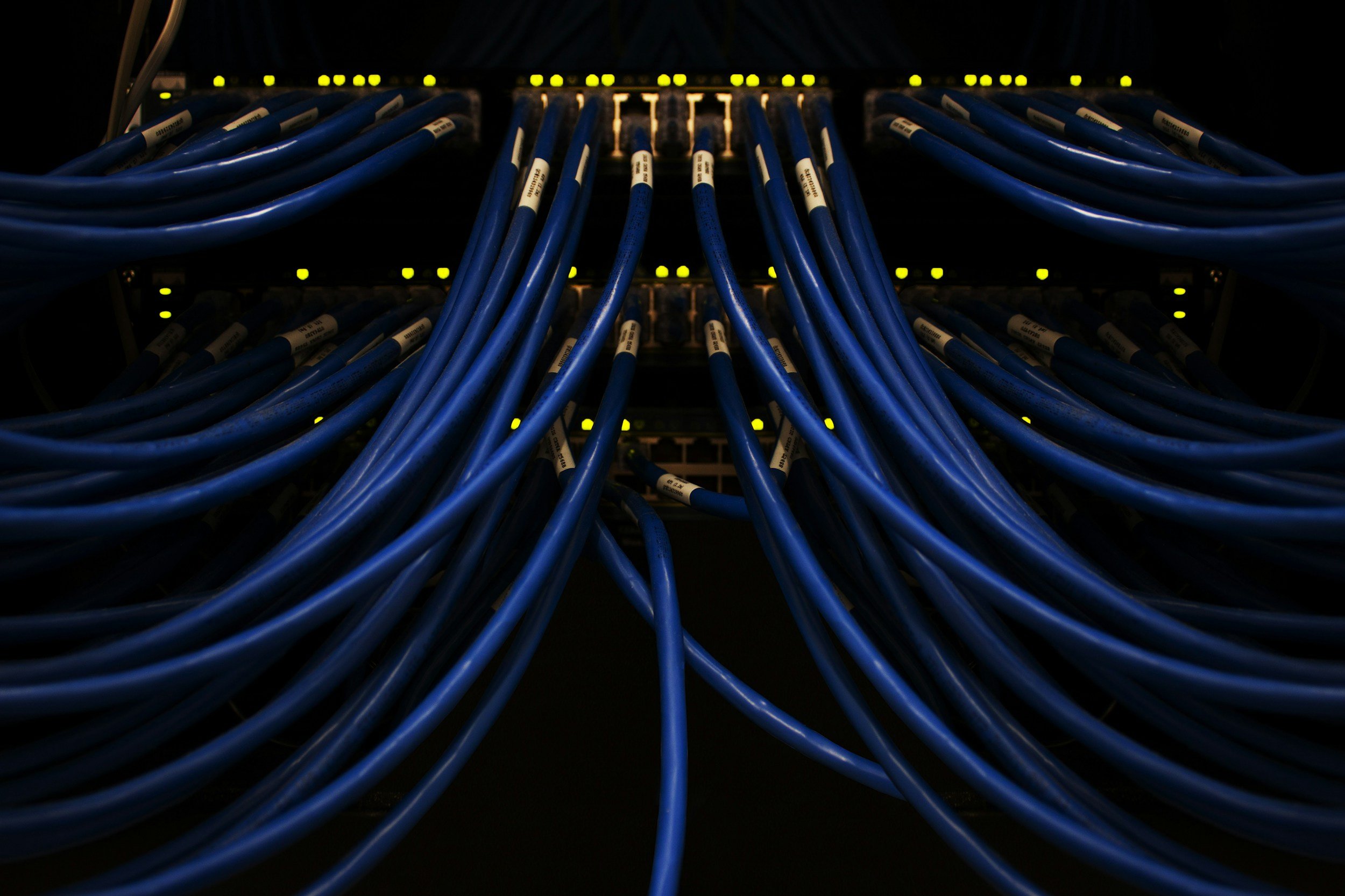
Pictured: My cable fever dream
Eventually, I realized I needed to least understand what everyone was talking about. I asked a trusted peer for help putting together the least expensive entry point I could find and started experimenting.
It was fun, but it was also obviously completely inferior to what I was hearing from my analog systems at the time. I decided digital was going to be a useful tool for exploring new music; I could stream something, decide whether I liked it, and then go buy the LP.
For several years, that was largely the extent of my relationship with digital audio.
The first time it clicked
The first major shift came when I started working with both Grimm Audio and Weiss Engineering.
The introduction of the Grimm MU2 changed my thinking dramatically, followed by the Weiss DAC501.
For the first time, I found myself genuinely excited about digital playback as a listening experience rather than simply a convenient way to discover music. Since then, products from Weiss Engineering and Grimm Audio have become a significant part of my daily listening life and tools I trust to recommend to clients.
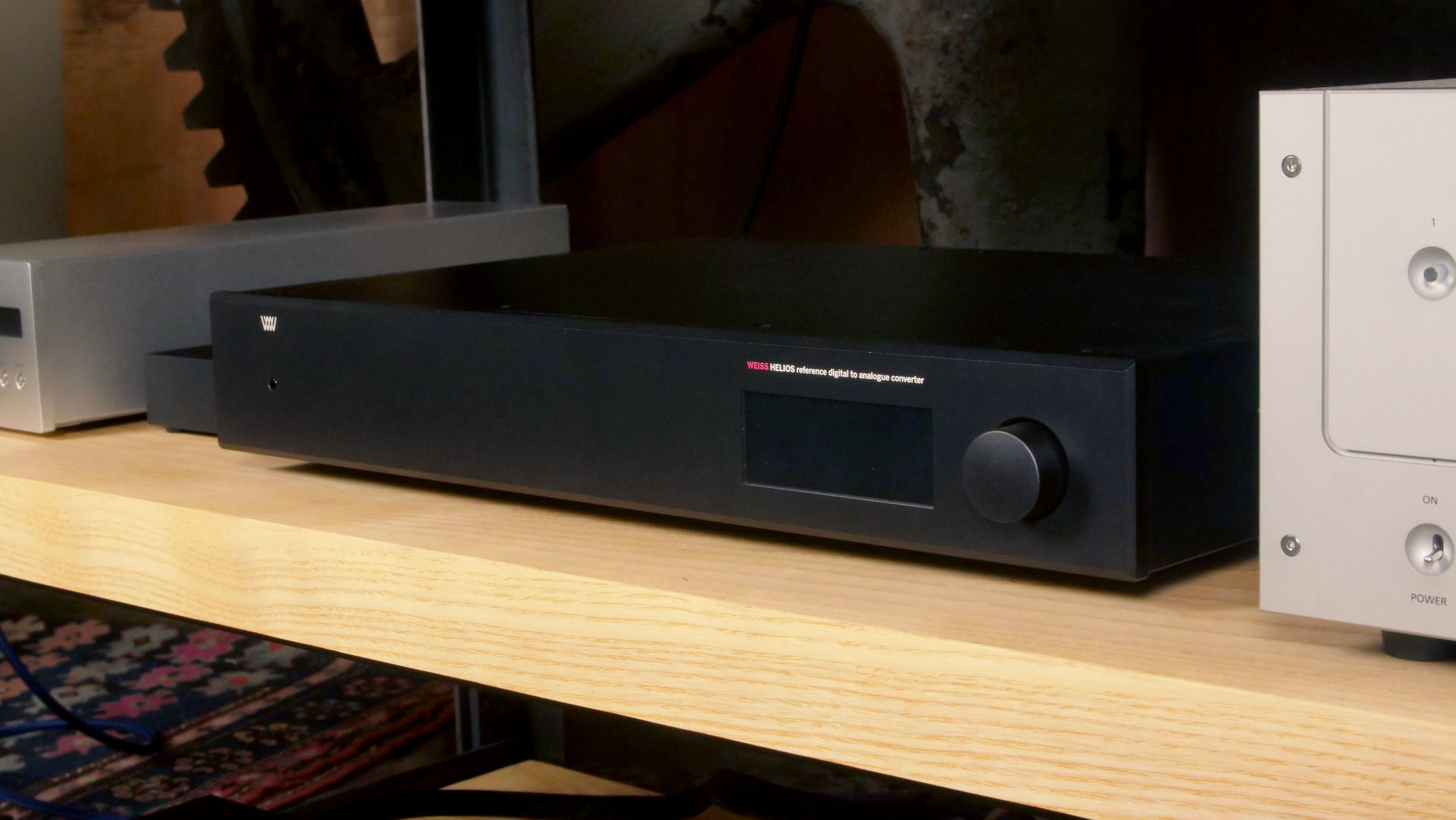
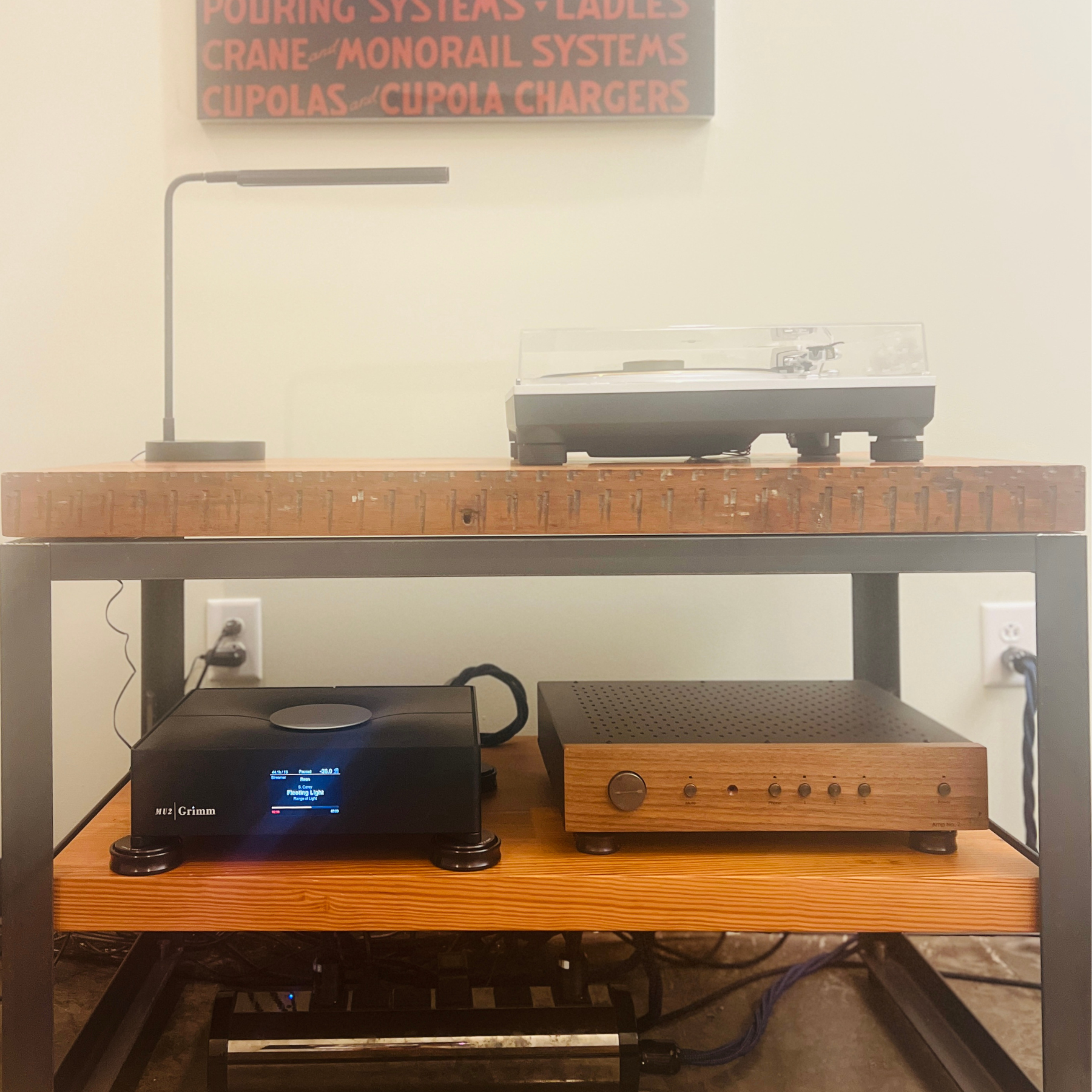
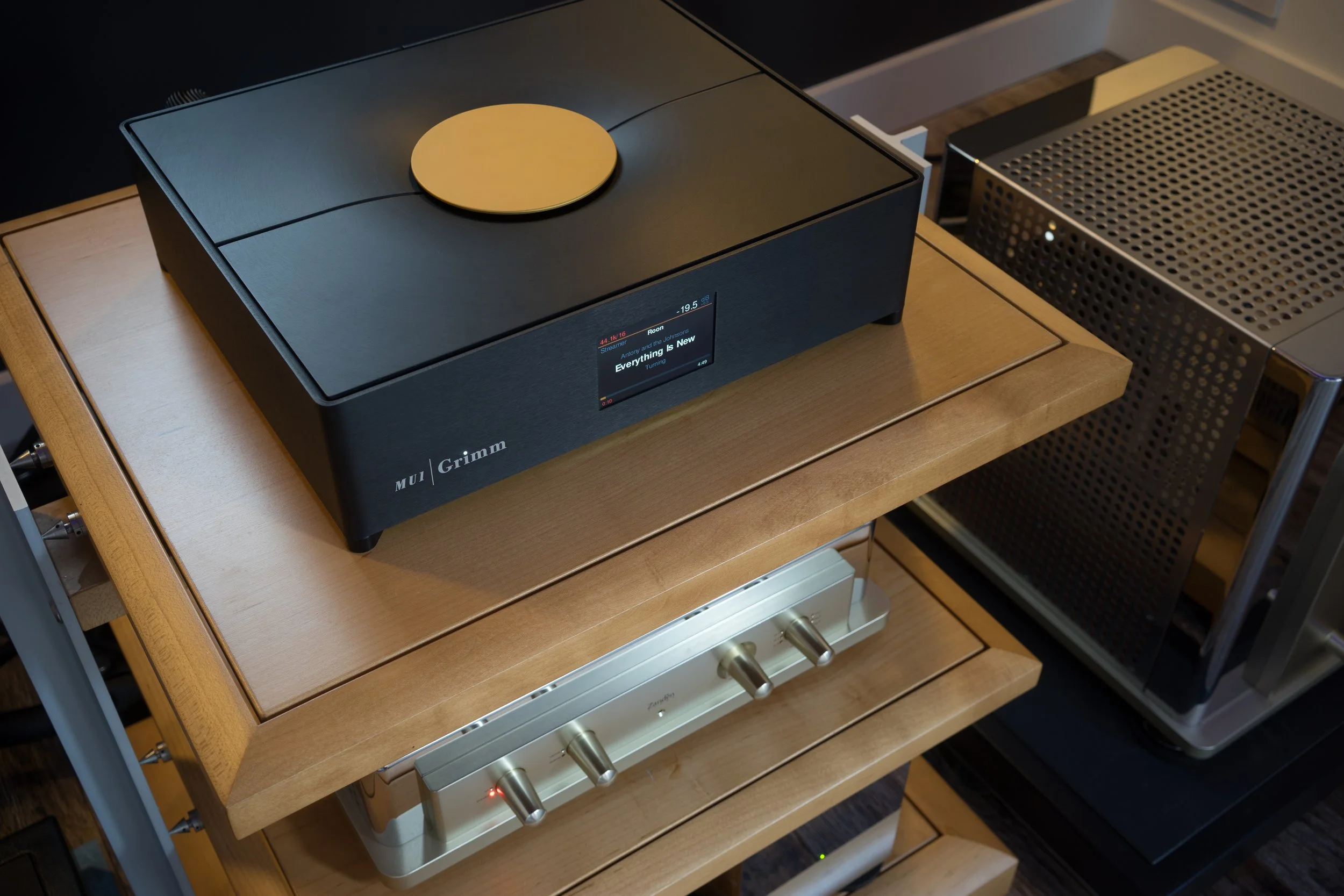
I’ve already written about how my relationship with digital listening has changed over the years, but what I didn't expect was that the next chapter of my listening journey would involve paying attention to parts of the system that I had otherwise largely ignored up to that point.
What can you even filter out of ones and zeros?
A few years ago, a client asked me whether I had any experience with Network Acoustics and their products.
At the time, I didn't. And to be honest, I felt a little skeptical. I mean, by then I already had a lot of experience with excellent streamers and DACs, so I felt like I had fully arrived at a place where digital playback was delivering results that genuinely satisfied me.
My internal reaction was: "Why would I need to add something to improve the output of amazing components I already love?" But the question still stuck with me.

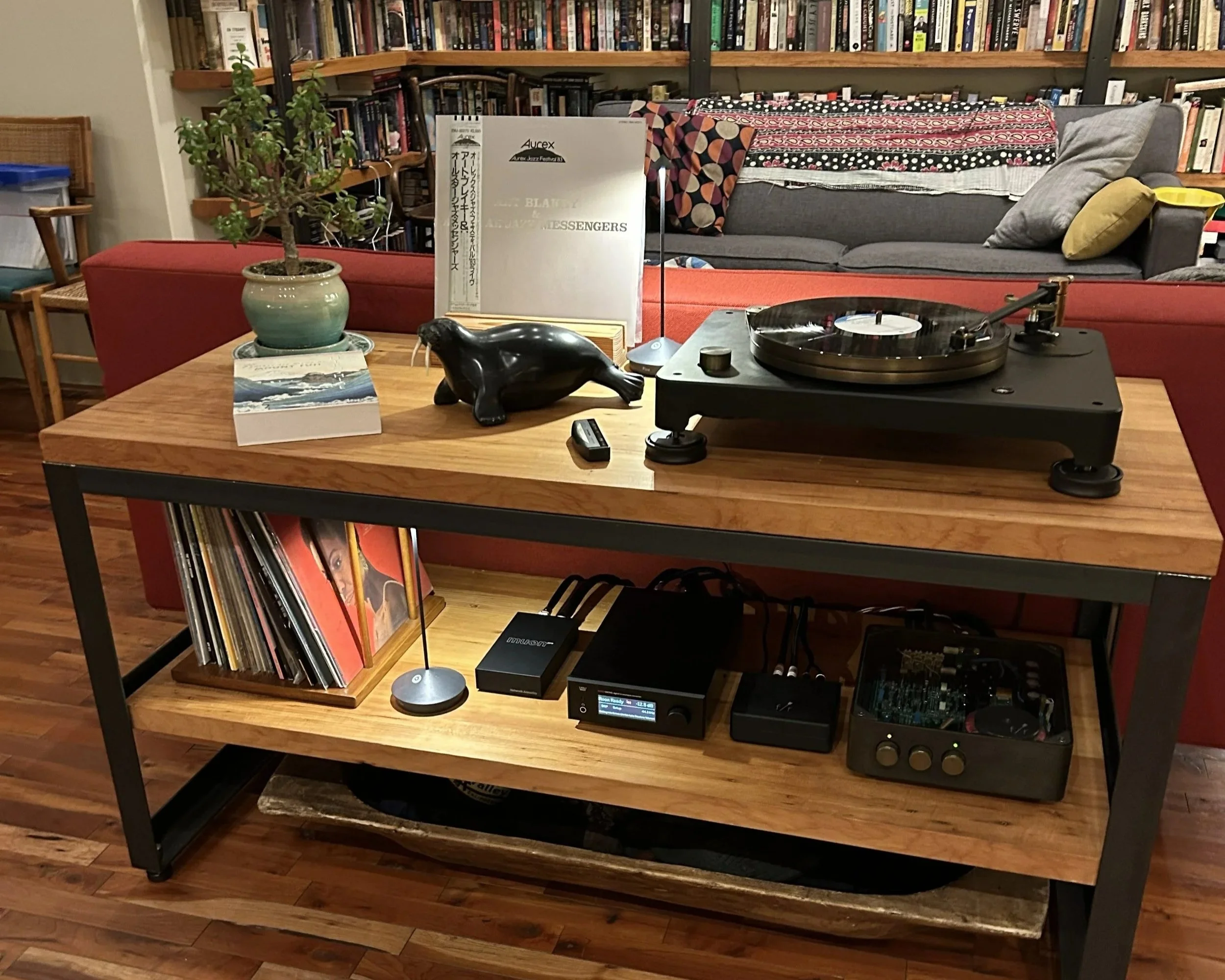
Pictured: Network Acoustics’ Muon Pro and Tempus Switch in our listening room in Richmond, Va.
The more I looked into what Network Acoustics was doing, and bolstered by thoughtful reviews I read written by people I knew and trusted, the more curious (and interested) I became.
Eventually I got my hands on a Tempus Network Switch and a Muon Pro filter and started listening. But I have to admit I was still scratching my head a bit. If digital information is just data moving from one place to another, what exactly are we trying to improve? I kept coming back to the same question:
What can you even filter out of a bunch of ones and zeros??
Timing matters
Over time, I came to understand that one of the most important factors in audio is timing.
Part of the reason this idea resonates with me is that I've spent most of my career designing and building physical things.
In manufacturing, timing and coordination show up everywhere. If a machining operation happens in the wrong sequence, if a fixture isn't locating a part correctly, or if a tolerance stack isn't managed properly, the final result suffers even when every individual component appears to be correct.
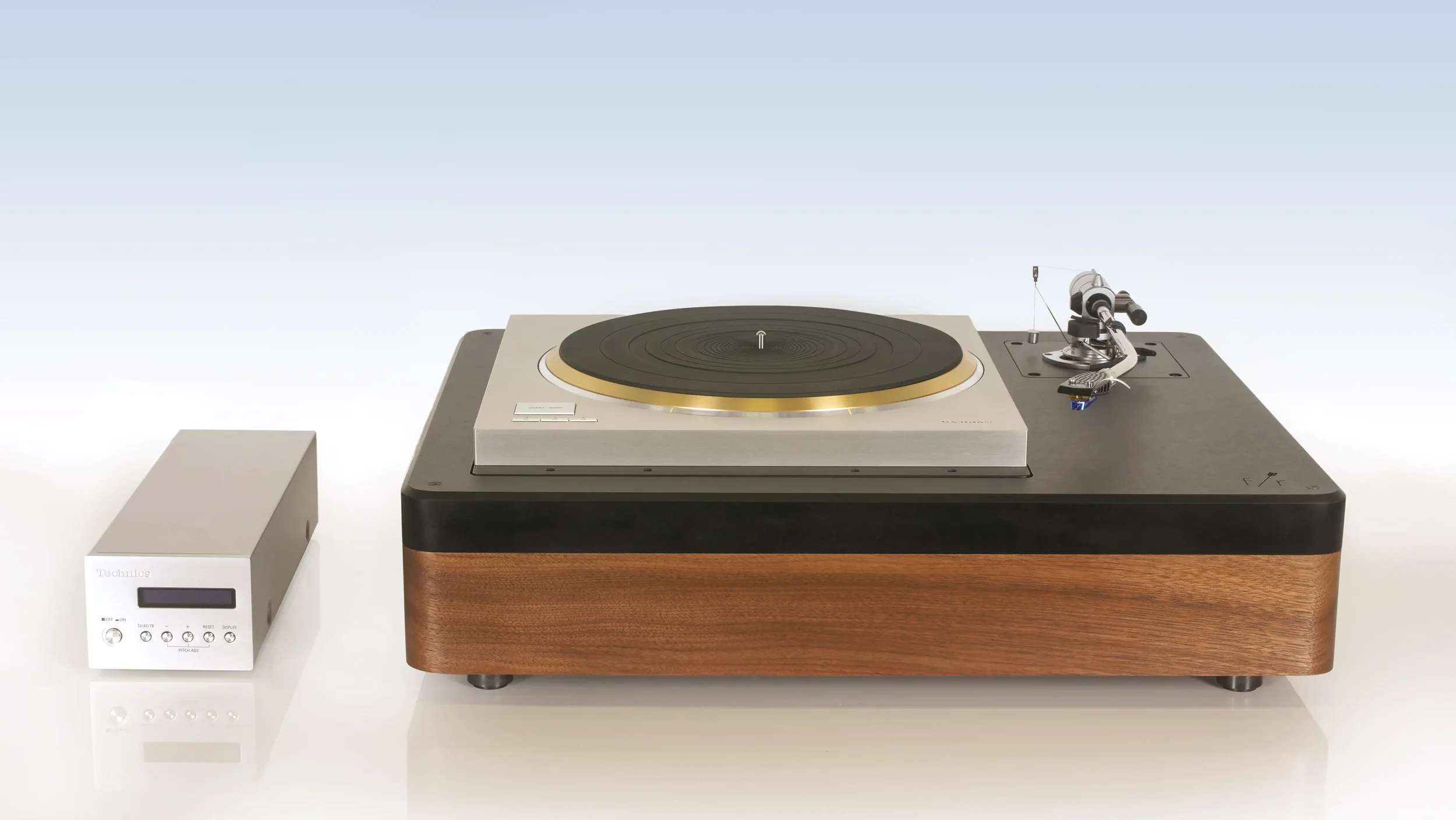
Pictured: The Archival Turntable
Audio isn't manufacturing, but I find myself thinking about it in similar ways. The best systems tend to be the ones where everything is working together coherently.
I hear versions of the same thing everywhere. I hear it in loudspeaker design. I hear it in room acoustics. I hear it when musicians are playing together. I hear it when a system suddenly locks into place and becomes easier to listen to.
Sometimes it's subtle. It's a little like pulling the covers over your head while listening to someone talk. You can still hear everything, but some of the immediacy starts to disappear. The voices become slightly less natural. If it’s music, maybe the horns sound a little more raspy or mechanical, and things just feel flatter.
I joke sometimes that it's a bit like listening to the adults in a Charlie Brown cartoon. You still understand what's happening, but something important has been obscured.
When I started learning more about digital playback, I began hearing similar effects there as well.
The explanation is way more complicated and technical than I want to get into here (or what you want to read), but the short version is that timing matters in digital systems too.
The conversion of digital information back into music depends on extraordinary stability and precision, and anything that helps reduce noise and improve consistency gives the downstream components a better chance to do their jobs well.
The Network Acoustics experiment
That was the context in which I first started experimenting with Network Acoustics. I installed a Tempus Switch and Muon Pro filter into my downstairs reference system and listened for several weeks. Then I removed them.
The experiment didn't last very long; I put them right back in.
I need to be clear that what struck me when I removed the Tempus and the Muon Pro wasn't some dramatic tonal shift or obvious hi-fi effect. Instead, I was sensing my system had become slightly more mechanical and less convincing without them. Voices lost some of their natural quality, and the presentation felt a little more forward and a little less dimensional.
One thing I noticed repeatedly after I took them out was that it became easier for me to perceive the loudspeakers themselves. I was more aware of where the drivers were located and more conscious of the system as a collection of components.
When I put the Network Acoustics products back into the system, that awareness was faded. The system became less of the focus and the musicians and their music became more of the focus.
I then spent the next year listening carefully and trying to find language for what I was hearing, because the longer I lived with the products, the more convinced I became that they were doing something meaningful.
Enter Muon2
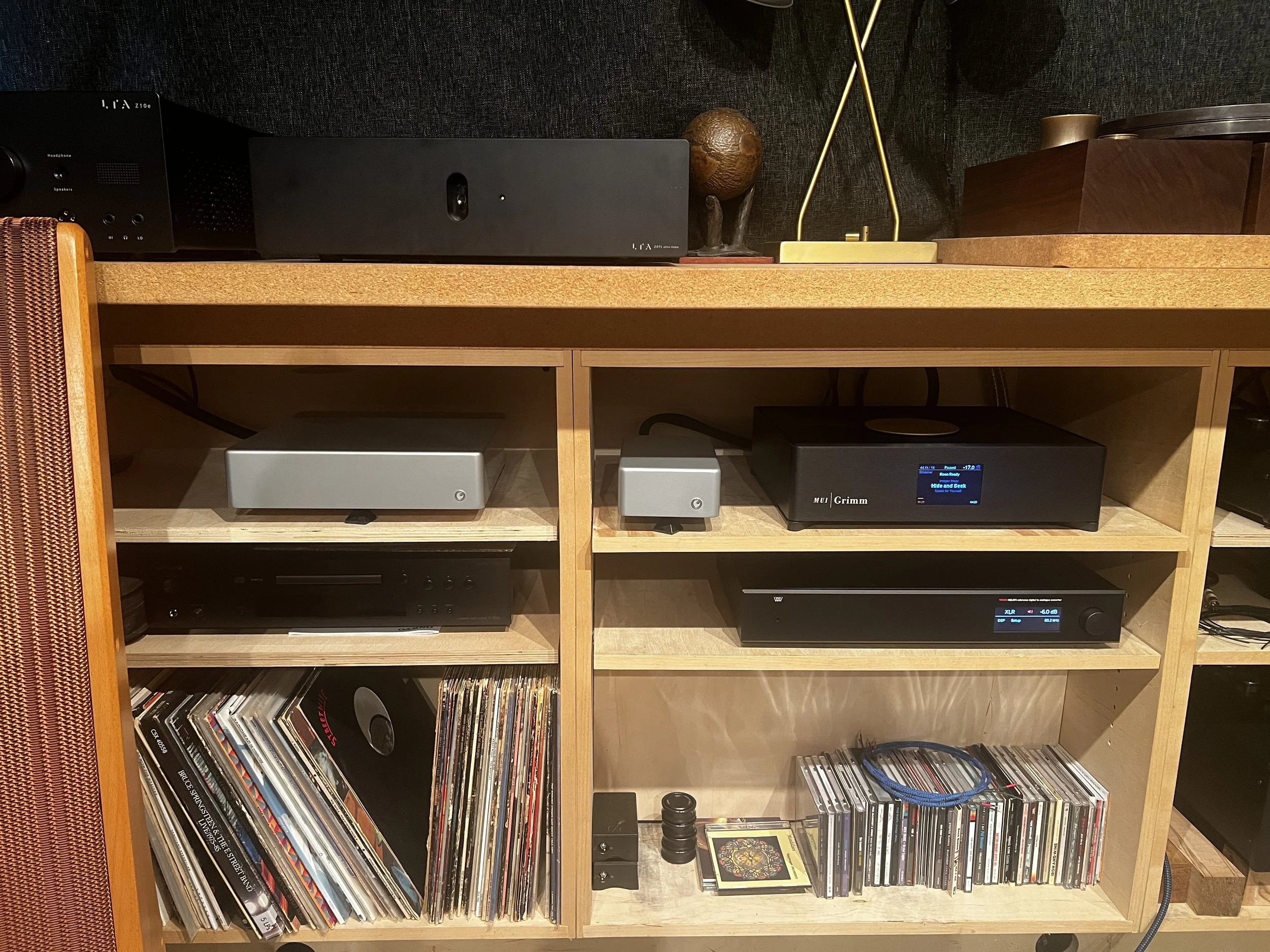
Muon2 Network Switch on the left, Muon2 Ethernet Filter on the right, paired with the Helios DAC by Weiss Engineering and the Grimm MU1 Music Streamer & Server.
Earlier this year, I had the opportunity to spend time with Network Acoustics' newest products, the Muon2 Precision Switch and Muon2 Filter.
By that point, I was already fully convinced of the value of what Rob Osborne and his team were doing. The original Tempus and Muon Pro products had become permanent parts of my systems both at home and at the shop. What interested me was whether there was still room for meaningful improvement.
I started by living with the Muon2 products in our showroom system before bringing them home and integrating them into my own reference system.
The experience reminded me of why I try to stay open-minded about audio. Every so often, you encounter a product that challenges assumptions you didn't realize you were still carrying around.
One thing that resonated with me was how broadly Network Acoustics approached the problem. The Muon2 products aren't simply network devices. They're the result of thinking about power, vibration control, materials, isolation, and timing as parts of a larger system. As somebody who spends a lot of time thinking about physical products, manufacturing processes, and how individual decisions affect the final result, that approach felt familiar.
For me, the most striking changes appeared in vocals. Human voices are complicated. By design, they contain subtle shifts in tone, texture, breath, and expression, and these can be easily flattened or sometimes just vaporized in playback. With the Muon2 products in the system, those qualities felt more intact. Recordings sounded less like reproductions and more like performances.
I found myself listening longer and thinking less about the equipment, and that's always a good sign.
As with the earlier Network Acoustics products, the changes weren't about adding something that wasn't already there. If anything, they felt more like the removal of small obstacles that had been getting in the way of me and the recording. The result was a presentation that felt more relaxed, more natural, and more convincing over extended listening sessions.
Years ago, I would have told you that streaming was simply a functional matter of getting the data from one place to another. Today, I'm not so sure it's that simple.
Still learning
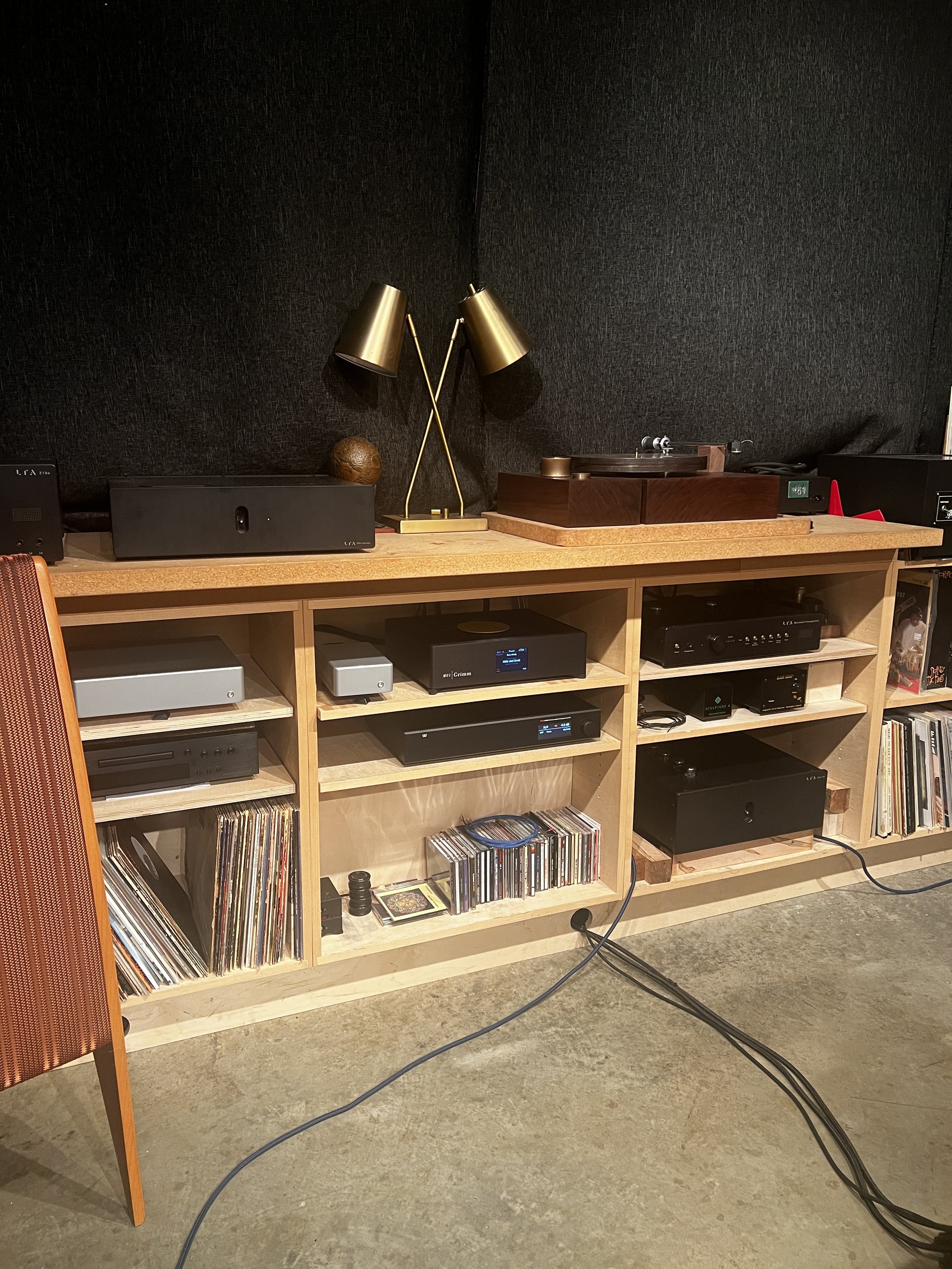
I've now incorporated Network Acoustics products into every system I use regularly, both at home and at work. That's not something I say lightly.
For many years, I viewed digital playback primarily as a tool for discovering music before purchasing records. Today, some of my most rewarding listening experiences happen through streaming.
The equipment has improved, and so has my understanding. And I’ve learned not to assume I’ve got it all figured out.
We recently added the new Muon2 products to our website and have been spending time with them in systems both at home and at the shop. If you're curious about Network Acoustics, streaming audio, or how these products might fit into your own setup, we're always happy to share what we've learned. Every room, system, and listener is different, and we've found that context matters as much as any individual component.
Network Acoustics newest Muon2 collection
Muon2 Streaming System (Ethernet Filter + Extended Cable Configuration)
Network Acoustics is also planning its release of products at both the Eno3 and Tempus2 levels.
If you're interested in improving a streaming-based system but aren't sure where to start, I’m happy to talk through your room, components, and listening habits before making recommendations.
Listen to the Muon2 Network Switch and Ethernet Filter at Axpona 2026