
Digital Systems We Trust: Grimm Audio + Weiss Engineering in Context
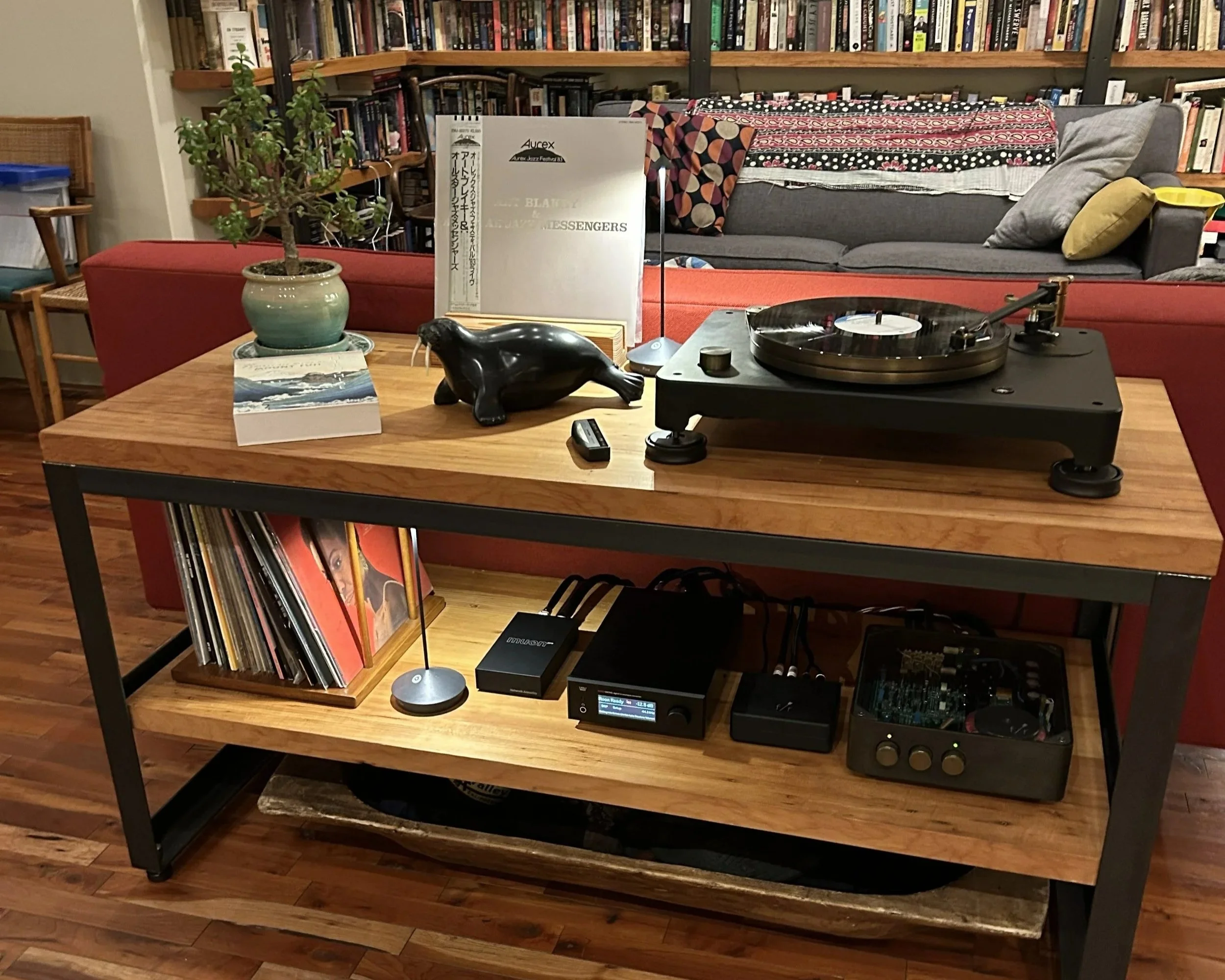
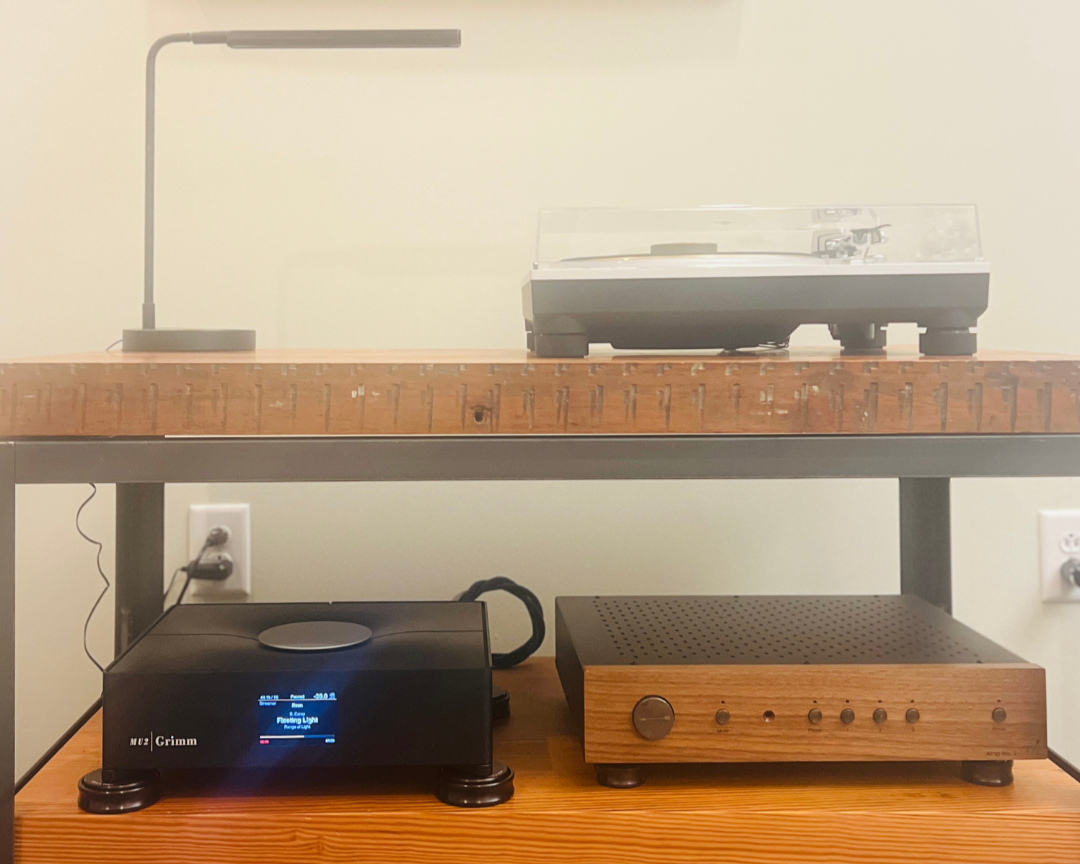
Listening first: Two approaches to digital playback
As digital audio has matured, it’s become clear (understandably) that there’s no single perfect solution that magically works for every listener out there. Not only do systems themselves vary widely—equipment, cables, room size, and countless other details—but the way people interact with music day to day can be all over the map.
In Part 1 of this series, I shared my journey of learning to listen to digital music again, and described how the Grimm MU2 reshaped my approach to streaming alongside analog playback. This post continues in that vein, focusing on how different tools suit different listening habits.
Some listeners really value deep system control and the ability to make fine adjustments. Other folks might prioritize simplicity, reliability, and fewer moving parts. All of these are important factors when making decisions about a system that you will live with in your home.
My approach to digital isn’t that different from how I think about analog: the goal is deep engagement with sound, not technical complexity for its own sake. That perspective is what led us to carry both Weiss Engineering and Grimm Audio products. They solve similar problems, but in fundamentally different ways.
Defining our baseline for digital
Before looking at specific products, it’s worth clarifying what I expect from any digital system I recommend:
It must deliver musical engagement comparable to high-quality analog playback
It must be stable and predictable in daily use
It should feel intentional, not improvised
It should support long-term ownership, not planned obsolescence and replacement.
Taking this approach means any differences become meaningful, rather than confusing.
Weiss: Precision, DSP, and system control
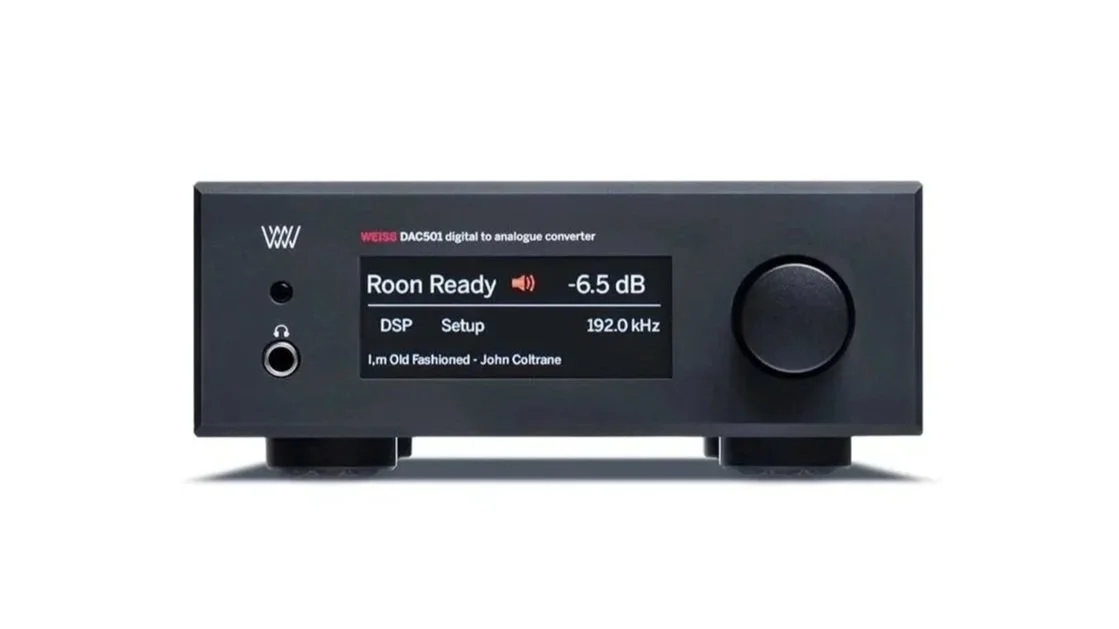
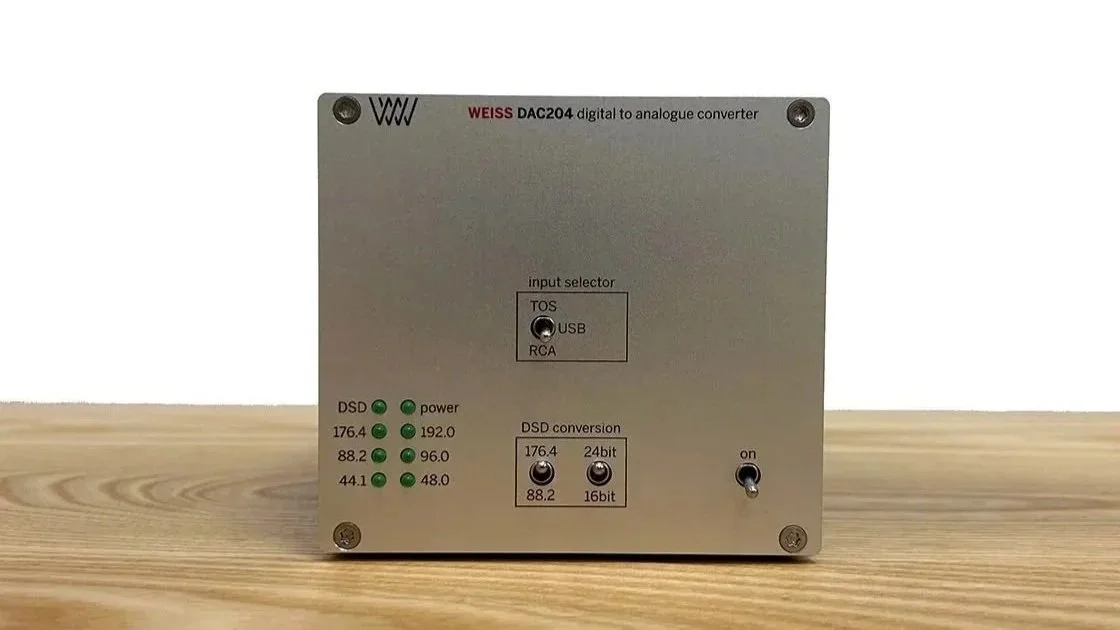
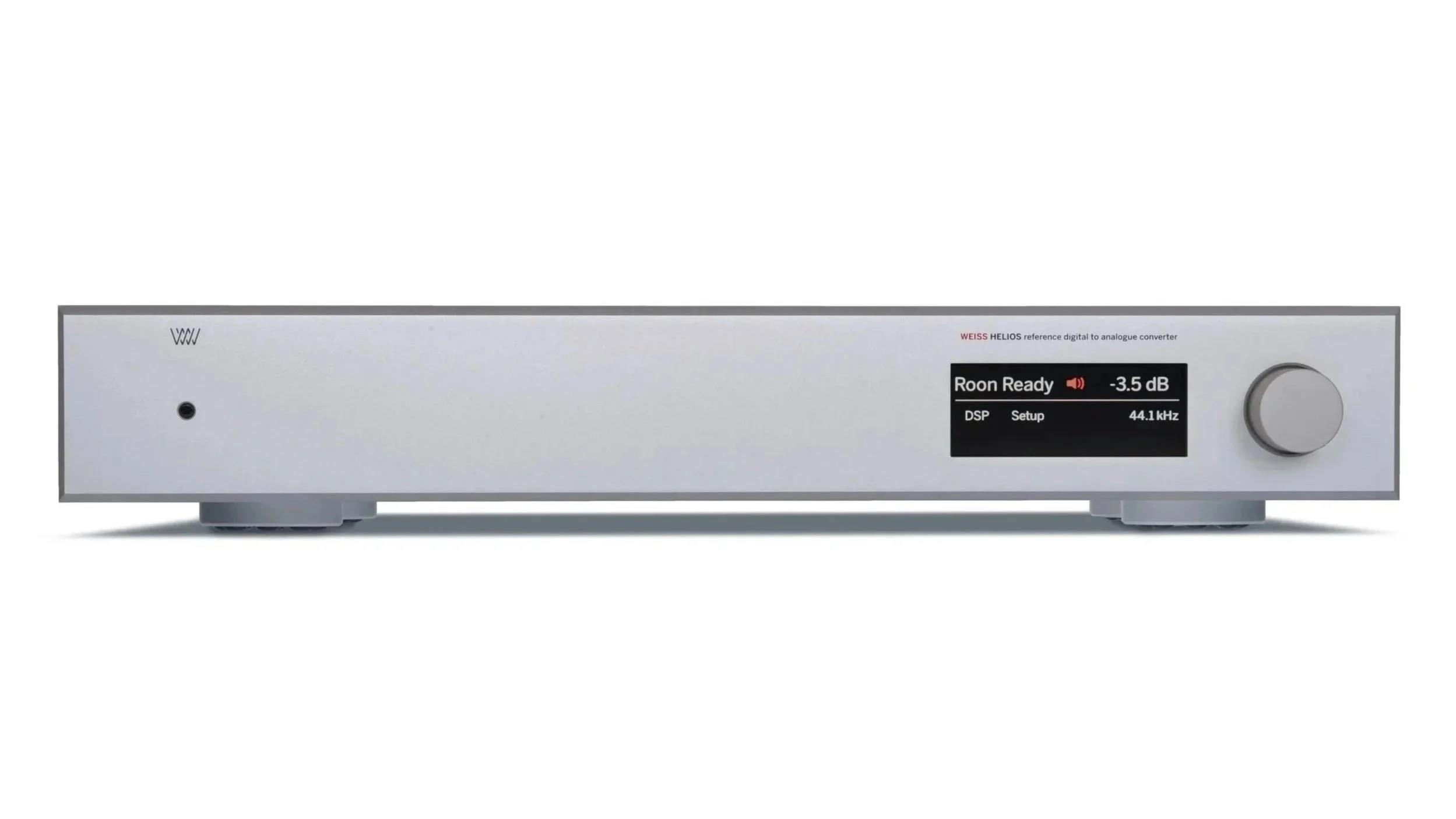
Based on my own judgment and experience, Weiss Engineering’s digital to analog converters (DACs) perform best in systems where nuanced control and calibration matter. Their DACs function as Roon endpoints and offer powerful digital signal processing (DSP) capabilities that allow listeners to fine-tune performance before conversion to analog output.
In more complex systems—particularly those involving room interaction or specific tonal goals—this level of control can be invaluable. I have the DAC501 in my own living space system in my home for that reason.
This ability to have control is especially relevant when considering options because in our experience as system consultants, many of our clientele often want to set up their primary systems in rooms and spaces that are not acoustically ideal.
The Weiss DAC501/502 & Helios components are specifically designed to allow users to mitigate those situations through careful setup and thoughtful adjustment (room correction), making them well-suited for the kind of listeners who really do enjoy the work of dialing their systems in and extracting the highest degree of performance out of the rooms they love to live in fully.
My reflections about Weiss are my own, but there is a lot more that can be said about their excellent sound. Michael Lavorgna has reviewed a number Weiss components for Twittering Machines. These are great reads, and I encourage everyone to explore his thorough analyses of Weiss products on their own.

Grimm: Integration & intentional simplicity
Grimm Audio takes a different approach. Rather than separating the server, streamer, DAC, clocking and output stages across multiple components, Grimm intentionally integrates these elements within a single platform. This product does a stellar job of making great digital sound easy to pull off.
The Grimm MU2 elegantly combines a music server, streamer, DAC and preamp with careful attention paid to timing, noise reduction and signal integrity. The result is a system that doesn’t involve as many external dependencies, reducing the need for ongoing IT management. The DAC in the MU2 is an FPGA-based tech rather than a fixed-chip approach. This means that Grimm can continually improve performance with software updates as they develop new strategies for improving DAC performance.
For listeners who want digital playback that feels organic, stable, and focused on music without the onus of configuration, this approach can be deeply appealing and almost provide a sense of relief, which was my own personal experience.
Helping clients choose
When guiding clients, I don’t start with product categories. I start with questions:
How do you listen to music day to day?
How comfortable are you managing software and system changes?
Are you looking to experiment and adjust, or to simplify and listen?
From there, the appropriate tools usually reveal themselves. In some homes, Weiss is the right fit. In others, Grimm offers a simpler solution. Neither replaces the other.
Different paths, shared values
I’m not interested in ranking the differences between these excellent products. Taste is subjective.
I’m really interested in what Weiss and Grimm share, which is a commitment to sound quality, thoughtful engineering, and respect for analog playback.
Where they differ is in how they balance control, integration, and user involvement.
Both are excellent products that support intentional listening.
Systems built around the listener
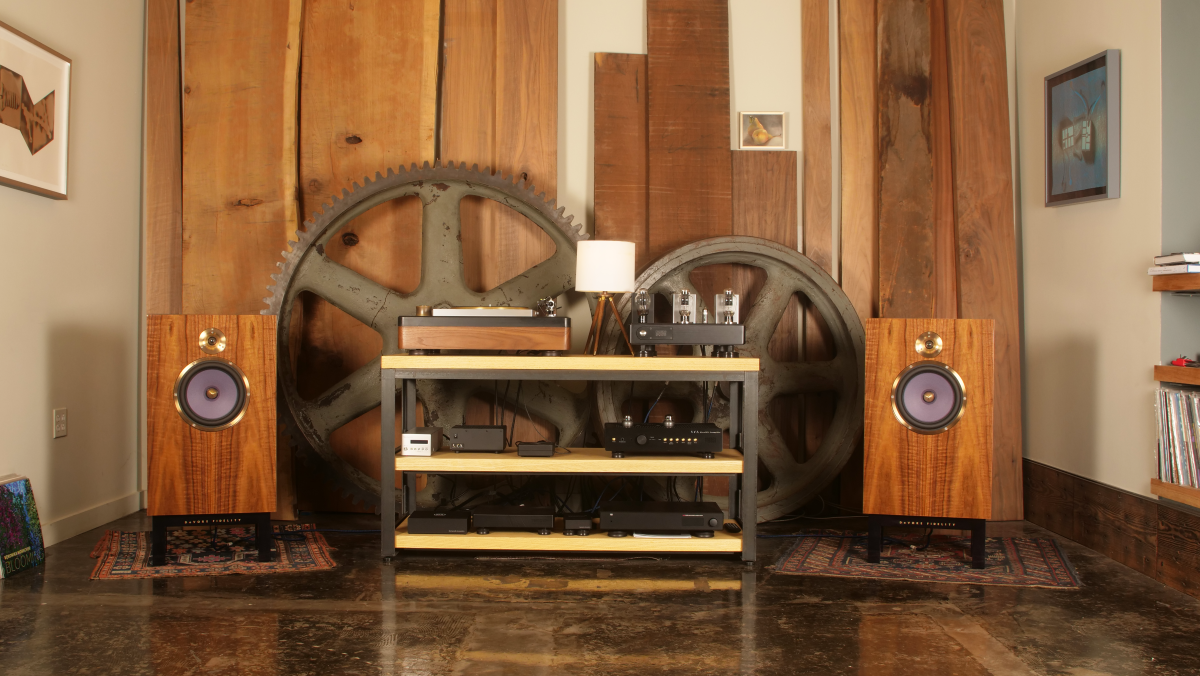
When we work with our clients here at Fern & Roby, our role isn’t to declare winners or to pit brands against each other.
It’s to help listeners find the right tools to support how they actually live with music.