
Learning to Listen to Digital Music Again
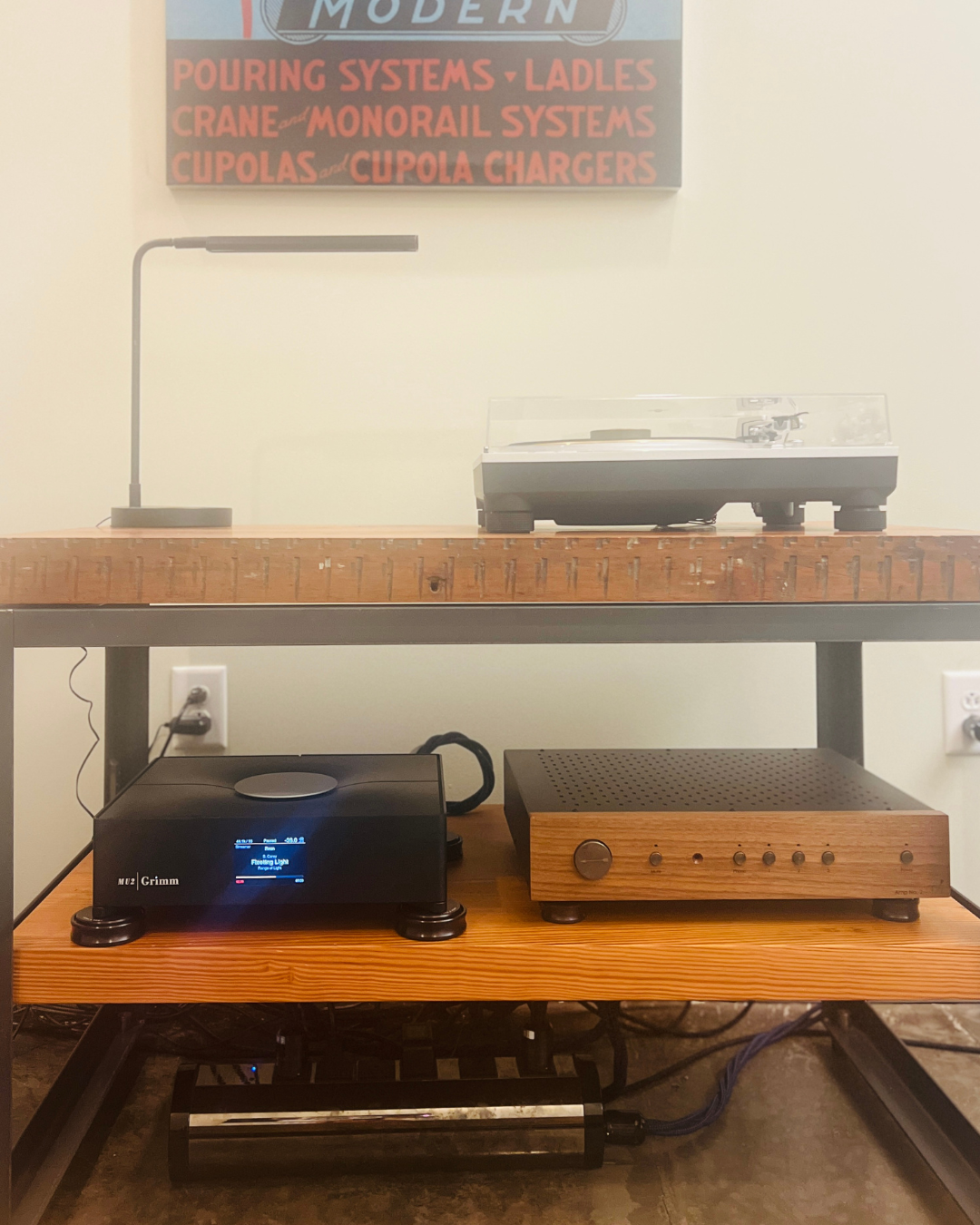
Finding balance between analog and digital music in today’s world.
Like many Gen-X kids, I grew up in a household where music played a steady role in daily life. We all had fewer entertainment options back then, and a decent audio system mattered.
My parents genuinely loved music and chose to invest in a home system. In the 1970s and 80s, that meant a solid stereo setup, a dual cassette deck, a Technics turntable I was strongly discouraged from dismantling, and KLH speakers that were in constant use.
Music was almost always playing. Sometimes it was our local public radio station: classical, bluegrass, or something totally unfamiliar. Other times it was listening to albums by The Beatles, Bob Dylan, or Simon & Garfunkel while we did homework or ate dinner. When we wanted to take music with us, we made mixtapes—recorded in real time, thoughtfully curated, and shared with intention.
Each format had a role. Radio introduced us to new music. Records (and later CDs) formed our owned library. The tape deck gave us authorship and the ability to shape music into something personal. Music wasn’t background noise. Listening was an activity unto itself.
When convenience replaced listening
Over time—and I think this will resonate with others in my generation—convenience ended up becoming the most important factor in how I kept music in my life.
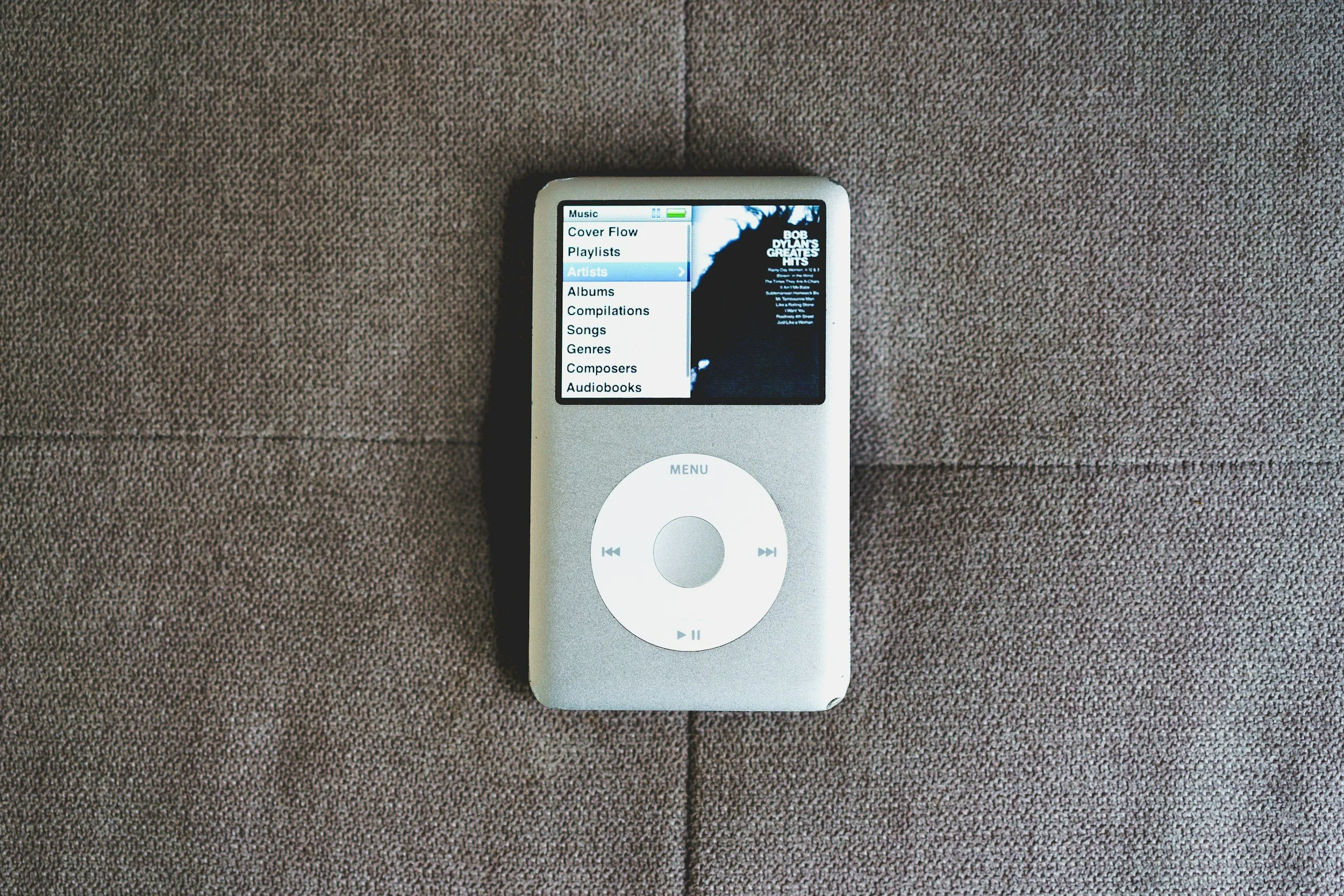
My collection turned into MP3 files.
I gave away my stereo, which I’d gotten in college.
Music now lived on a work computer with lousy speakers and crappy amplification—and it sounded exactly as bad as you’d expect.
I moved toward personal listening devices along with everyone else, but at a certain point, music no longer had a place in my daily work life. Without really noticing, I had stopped actively listening…
I was inundated with recommendation algorithms that promised me meaningful discovery, but instead they just ended up narrowing my exposure even more.
Music became something that played around me rather than something I actively chose to engage with.
At a certain point, the convenience stopped mattering. The quality was so compromised that the experience itself disappeared.

Why analog brought me back
Confronting that realization is what led me back to turntables more than a decade ago.
Analog listening restored something I didn’t realize I’d lost: intention. Choosing a record. Sitting down. Paying attention. In other words: “Active listening.”
For years, I stayed focused there.
Analog delivered musical engagement, reliability, and a physical relationship with music that felt grounded and human. It also aligned naturally with our work at Fern & Roby to design and build turntable-based systems.
I was now focusing on intentional listening rather than distraction.
Early digital streaming: promise vs. reality
But things were changing. More and more clients started asking me about streaming, so I knew I needed to more deeply understand it firsthand. And I was pretty cautious at first, experimenting with an early Roon setup and some entry-level digital components.
Streaming was fantastic for exploration and discovery—I could hear new artists and albums before committing to increasingly expensive LPs. But the listening experience itself never felt like it matched up with the analog systems I had worked so hard to perfect. It could also be inconsistent and borderline unreliable, so the situation was feeling closer to an IT project than a music system I could truly enjoy.
Digital promised quality and convenience. But I was rarely able to experience both at the same time.
What digital needed to deliver
At that point, I became clear about my requirements. For digital to earn a place in my listening life—and in the systems we recommend and represent—it needed to meet a few basic standards:
A user experience that encouraged exploration rather than friction and frustration
Sound quality that could stand alongside my analog systems
Straightforward setup and day-to-day use
Long-term stability and reliability
If I didn’t enjoy using it myself, I couldn’t stand behind it as a product I represented.
Listening with the Grimm MU2
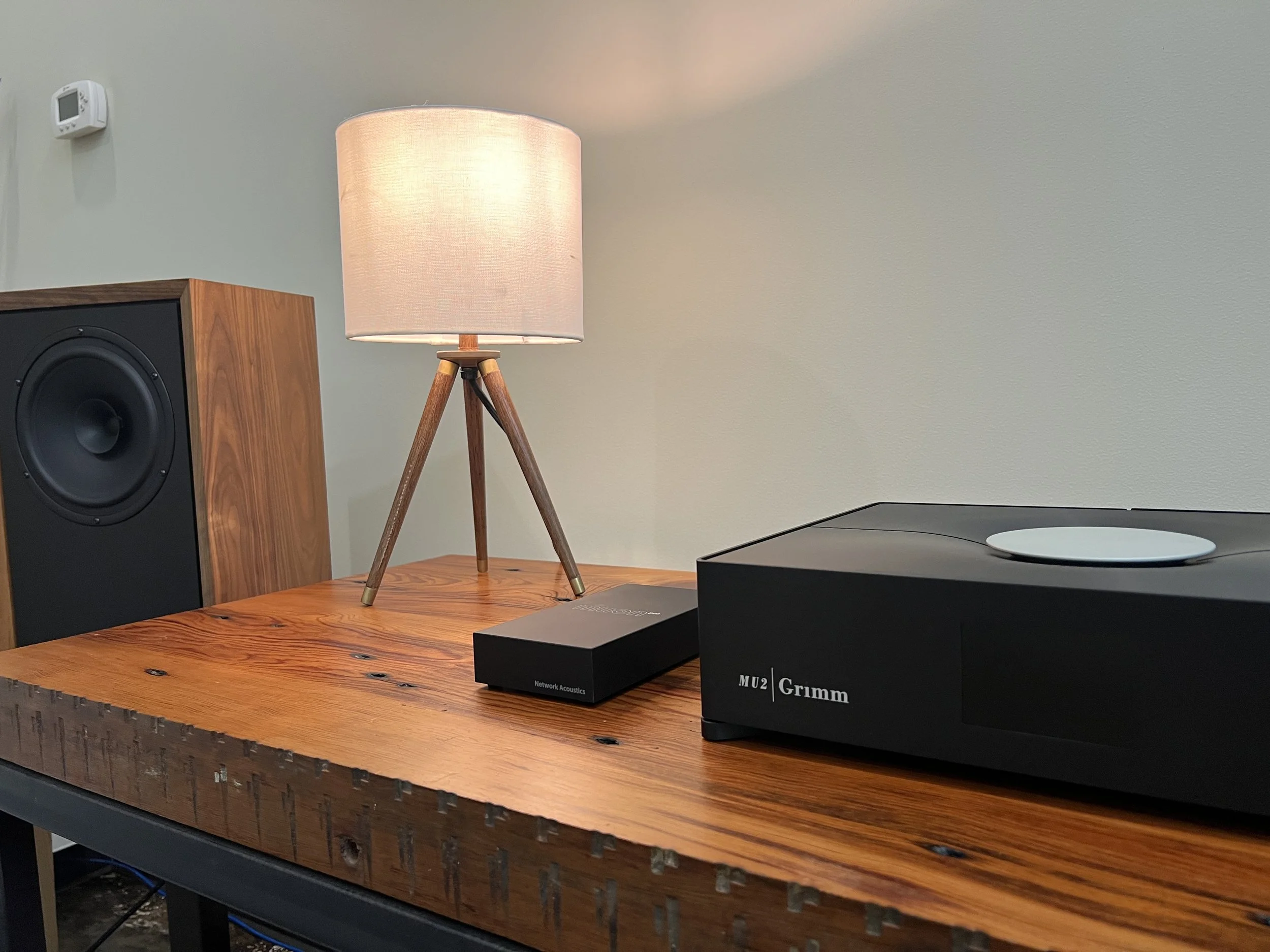
The Grimm MU2 is the first experience I had with a digital component that I felt fully delivered on the promise of digital streaming in terms of overall convenience and quality.
What stood out to me immediately was not a feature list, but the overall approach. By integrating the music server, DAC, and preamp into a single, purpose-built component, much of the complexity that had previously distracted me from listening basically disappeared.
The wider audiophile community has recognized the Grimm MU2 for its clarity of design and musical presentation. For example, in his glowing review, Michael Lavorgna of Twittering Machines notes how the MU2 balances the convenience of digital streaming with a listening experience that feels natural and engaging.
For me, my system had become reliable and predictable. I found I could move easily between streamed music and my owned library without thinking about software, networking, or background processes. More importantly, I found myself listening longer and with more intention. I was noticing I was more attentive.
Timing, coherence, and tonal balance—qualities that matter deeply in analog playback—were showing up in a way I hadn’t previously experienced with digital. The Grimm didn’t ask me to choose between convenience and musical engagement. It handled both quietly and effectively.
Living with digital and analog together
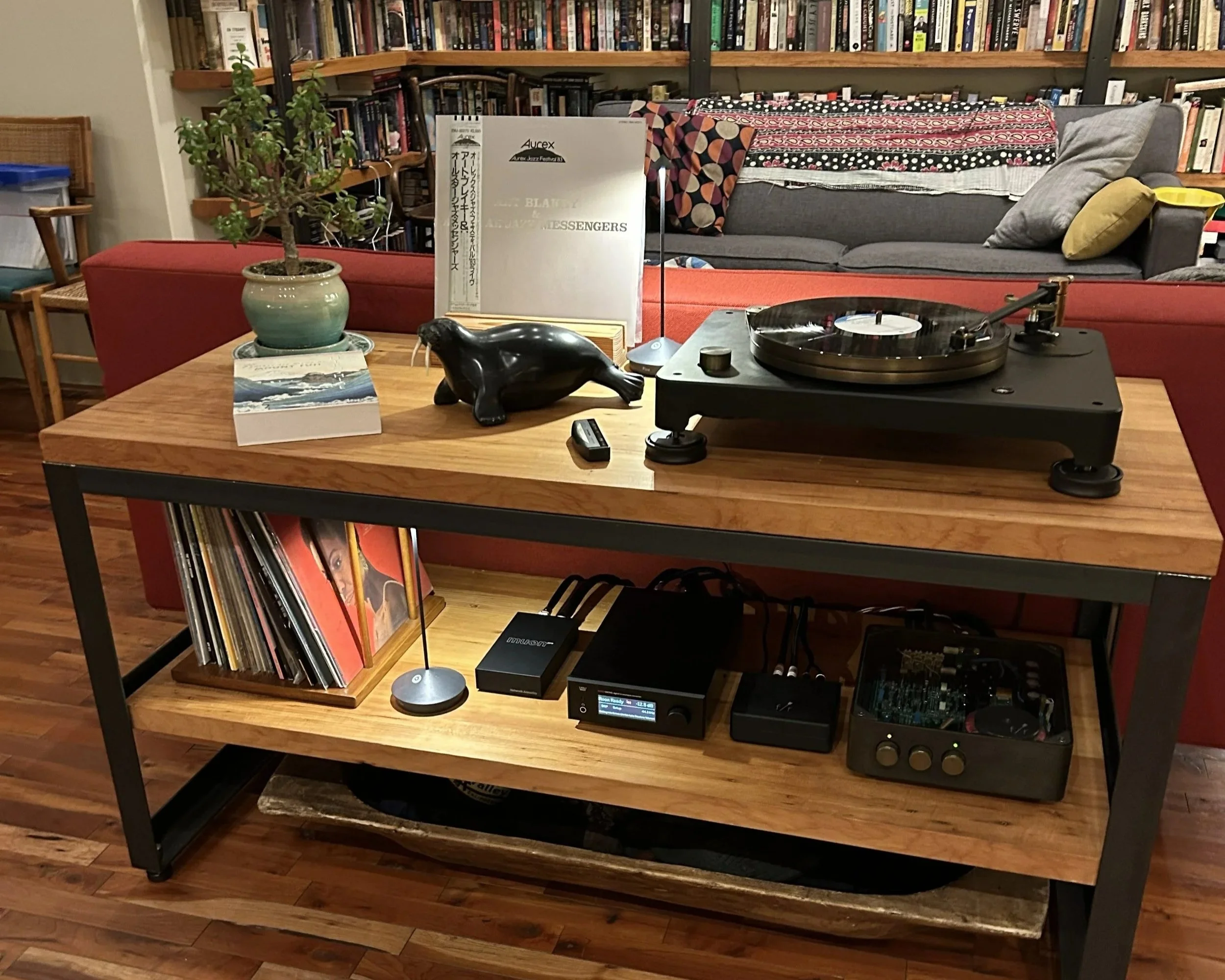
The goal was never to replace analog, and it hasn’t. What’s different is that the Grimm has made it possible for digital and analog to coexist in a way that feels natural to me.
I still value playing records and CDs. Ownership and permanence of physical media matter, especially in a world increasingly built around subscriptions. At the same time, digital now feels inviting rather than a compromise—it offers powerful discovery, allows for recommendations from friends, and supports everyday listening without sacrificing quality.
That balance—between exploration and intention—is what I had been looking for.
Continuing the listening journey
At Fern & Roby, our approach to digital audio will continue to evolve as technology improves, and our listening experience deepens.
The Grimm MU2 has become part of that process. I’ll be sharing more listening notes soon about Weiss Engineering’s DACs in relation to the Grimm MU2.
My goal here isn’t to pitch my personal conclusions. It’s to share my experiences and perspectives that have formed over time.
If this resonates, I invite you to listen alongside us.