A flexible digital front end designed for long-term listening
Weiss components are typically ordered through Fern & Roby as part of a broader system conversation. Current lead times vary by product and configuration, and may extend several weeks or longer. We’re always happy to discuss system matching, availability, and fulfillment timing before purchase.
The Weiss DAC501-4CH is a highly configurable digital front end that combines digital-to-analog conversion, streaming, preamplifier functionality, headphone amplification, and DSP processing into a single component.
Rather than focusing on one fixed approach to playback, the DAC501 allows systems to evolve over time, through room correction, tonal adjustment, headphone optimization, or broader system integration. For many of our clients, the DAC501 offers an ideal balance between deep adjustability and day-to-day usability.
Despite its flexibility, the DAC501 remains approachable in daily use and can function equally well as a straightforward digital front end or a more deeply configurable system component.
The DAC501 is available through Fern & Roby.
As an authorized Weiss Engineering dealer, we recommend the DAC501 in systems where digital playback is a primary source and long-term flexibility is a priority.
What the DAC501 does in a system
The DAC501 can function as a complete digital front end:
Digital-to-analog conversion
Network streaming (Roon/UPnP)
Preamplifier functionality
Headphone amplification
DSP and room correction tools
Don’t be fooled by the compact half-width chassis; the DAC501 can function as a complete digital control center within a system. In many systems, it can replace a standalone DAC, streamer, digital preamp, and headphone amplifier while reducing overall system complexity.
Unlike many highly configurable digital components, the DAC501 is designed to remain approachable in day-to-day use. Its DSP tools can be applied heavily, lightly, or not at all depending on the system and listening preferences.
Engineering approach
The DAC501 is designed to provide a high degree of flexibility in digital playback while maintaining the timing accuracy and signal integrity required for natural, stable listening.
It combines Weiss’ long experience in professional digital audio with a flexible set of playback and DSP tools intended for real listening environments.
Conversion and analog stage
The DAC501 uses a high-performance multi-channel DAC architecture paired with Weiss’ discrete analog output stage.
This approach preserves low-level detail and maintains a stable, highly coherent presentation across a wide range of systems.
DSP and playback control
The DAC501 includes a broad set of DSP tools that allow playback to be adjusted in a controlled, intentional way.
That could mean subtle room correction, tonal balance adjustments, loudness compensation, headphone optimization, or small refinements to how a system presents music.
These tools aren’t intended to overwhelm the listening experience. In many systems they are used lightly (or left off entirely), but having that level of control can be valuable as systems, rooms, and preferences evolve over time.
Streaming and integration
The DAC501 supports Roon and UPnP streaming and includes extensive digital and analog connectivity.
It is designed to integrate cleanly into a wide range of systems, whether functioning primarily as a DAC, a preamp, a headphone component, or a complete digital control center.
Who the DAC501 is for
Systems where digital playback is a primary source
Listeners who value flexibility and long-term adaptability
Those interested in room correction or DSP without unnecessary complexity
Systems where reducing component count is a priority
Listeners who want a highly capable digital front end that can evolve with the rest of the system
Purchasing through Fern & Roby
As an authorized Weiss Engineering dealer, we help clients integrate the DAC501 into systems where flexibility, adjustability, and long-term usability are priorities.
Christopher works directly with clients to think through amplification, speaker pairing, DSP use, headphone integration, and overall system balance.
Our perspective
The DAC501 is a slightly different approach to digital playback than other digital-to-analog converter components like the Grimm MU2 or the Weiss Helios.
Some digital front ends focus primarily on simplicity or fixed system architecture, but the DAC501 delivers a greater degree of flexibility and control, especially for listeners who want to shape how a system behaves over time.
Its DSP tools can be used heavily, lightly, or not at all, but having that level of adjustability can be valuable in real listening environments where systems, rooms, and listening preferences evolve.
Read Christopher’s perspective on Grimm and Weiss approaches to digital playback.
Listening with the DAC501
The DAC501 is what we listen to in one of our primary home systems, and it stands out for us not just clarity or precision, but adaptability. We like how it presents recordings with a high degree of stability and control, while giving listeners the ability to shape how the system behaves within the room and the broader system context.
In well-matched systems, the DAC501 tends to feel less like a fixed digital component and more like a flexible platform for long-term listening.
Its DSP capabilities are powerful, but they rarely feel like the point of the component itself. Instead, they allow the system to be adjusted thoughtfully and gradually without sacrificing the core integrity of the signal.
Full DAC501 specifications are available on the Weiss Engineering website.
Thinking about the DAC501 in your system?
Questions around DSP use, room interaction, amplification, headphone integration, and overall system balance are often just as important as the DAC itself. We help clients think through how the DAC501 fits into systems where flexibility and long-term usability are priorities.
If you'd like to discuss how the DAC501 might fit into your system, Christopher works directly with clients on configuration, integration, and ordering.
Frequently Asked Questions
Are Weiss components kept in stock at Fern & Roby?
Some Weiss components may be available for demonstration or immediate delivery, but many are configured and ordered through Fern & Roby based on system requirements and current availability. Lead times vary by product and configuration and may extend several weeks or longer. We’re always happy to discuss timing, setup, and system matching before purchase.
Is the DAC501 Roon Ready?
Yes. The DAC501 supports Roon as well as UPnP streaming.
Does the DAC501 include a preamplifier?
Yes. The DAC501 includes a fully integrated preamp stage and can drive power amplifiers directly.
Does the DAC501 include headphone amplification?
Yes. The DAC501 includes a high-quality headphone amplifier and supports headphone-specific DSP tools including crossfeed and headphone EQ.
Do I need to use the DSP features?
No. The DSP tools are entirely optional and can be used as needed or bypassed completely.
Can the DAC501 replace a separate DAC and streamer?
In many systems, yes. The DAC501 combines streaming, conversion, volume control, headphone amplification, and DSP functionality into a single chassis.
A flexible digital front end designed for long-term listening
Weiss components are typically ordered through Fern & Roby as part of a broader system conversation. Current lead times vary by product and configuration, and may extend several weeks or longer. We’re always happy to discuss system matching, availability, and fulfillment timing before purchase.
The Weiss DAC501-4CH is a highly configurable digital front end that combines digital-to-analog conversion, streaming, preamplifier functionality, headphone amplification, and DSP processing into a single component.
Rather than focusing on one fixed approach to playback, the DAC501 allows systems to evolve over time, through room correction, tonal adjustment, headphone optimization, or broader system integration. For many of our clients, the DAC501 offers an ideal balance between deep adjustability and day-to-day usability.
Despite its flexibility, the DAC501 remains approachable in daily use and can function equally well as a straightforward digital front end or a more deeply configurable system component.
The DAC501 is available through Fern & Roby.
As an authorized Weiss Engineering dealer, we recommend the DAC501 in systems where digital playback is a primary source and long-term flexibility is a priority.
What the DAC501 does in a system
The DAC501 can function as a complete digital front end:
Digital-to-analog conversion
Network streaming (Roon/UPnP)
Preamplifier functionality
Headphone amplification
DSP and room correction tools
Don’t be fooled by the compact half-width chassis; the DAC501 can function as a complete digital control center within a system. In many systems, it can replace a standalone DAC, streamer, digital preamp, and headphone amplifier while reducing overall system complexity.
Unlike many highly configurable digital components, the DAC501 is designed to remain approachable in day-to-day use. Its DSP tools can be applied heavily, lightly, or not at all depending on the system and listening preferences.
Engineering approach
The DAC501 is designed to provide a high degree of flexibility in digital playback while maintaining the timing accuracy and signal integrity required for natural, stable listening.
It combines Weiss’ long experience in professional digital audio with a flexible set of playback and DSP tools intended for real listening environments.
Conversion and analog stage
The DAC501 uses a high-performance multi-channel DAC architecture paired with Weiss’ discrete analog output stage.
This approach preserves low-level detail and maintains a stable, highly coherent presentation across a wide range of systems.
DSP and playback control
The DAC501 includes a broad set of DSP tools that allow playback to be adjusted in a controlled, intentional way.
That could mean subtle room correction, tonal balance adjustments, loudness compensation, headphone optimization, or small refinements to how a system presents music.
These tools aren’t intended to overwhelm the listening experience. In many systems they are used lightly (or left off entirely), but having that level of control can be valuable as systems, rooms, and preferences evolve over time.
Streaming and integration
The DAC501 supports Roon and UPnP streaming and includes extensive digital and analog connectivity.
It is designed to integrate cleanly into a wide range of systems, whether functioning primarily as a DAC, a preamp, a headphone component, or a complete digital control center.
Who the DAC501 is for
Systems where digital playback is a primary source
Listeners who value flexibility and long-term adaptability
Those interested in room correction or DSP without unnecessary complexity
Systems where reducing component count is a priority
Listeners who want a highly capable digital front end that can evolve with the rest of the system
Purchasing through Fern & Roby
As an authorized Weiss Engineering dealer, we help clients integrate the DAC501 into systems where flexibility, adjustability, and long-term usability are priorities.
Christopher works directly with clients to think through amplification, speaker pairing, DSP use, headphone integration, and overall system balance.
Our perspective
The DAC501 is a slightly different approach to digital playback than other digital-to-analog converter components like the Grimm MU2 or the Weiss Helios.
Some digital front ends focus primarily on simplicity or fixed system architecture, but the DAC501 delivers a greater degree of flexibility and control, especially for listeners who want to shape how a system behaves over time.
Its DSP tools can be used heavily, lightly, or not at all, but having that level of adjustability can be valuable in real listening environments where systems, rooms, and listening preferences evolve.
Read Christopher’s perspective on Grimm and Weiss approaches to digital playback.
Listening with the DAC501
The DAC501 is what we listen to in one of our primary home systems, and it stands out for us not just clarity or precision, but adaptability. We like how it presents recordings with a high degree of stability and control, while giving listeners the ability to shape how the system behaves within the room and the broader system context.
In well-matched systems, the DAC501 tends to feel less like a fixed digital component and more like a flexible platform for long-term listening.
Its DSP capabilities are powerful, but they rarely feel like the point of the component itself. Instead, they allow the system to be adjusted thoughtfully and gradually without sacrificing the core integrity of the signal.
Full DAC501 specifications are available on the Weiss Engineering website.
Thinking about the DAC501 in your system?
Questions around DSP use, room interaction, amplification, headphone integration, and overall system balance are often just as important as the DAC itself. We help clients think through how the DAC501 fits into systems where flexibility and long-term usability are priorities.
If you'd like to discuss how the DAC501 might fit into your system, Christopher works directly with clients on configuration, integration, and ordering.
Frequently Asked Questions
Are Weiss components kept in stock at Fern & Roby?
Some Weiss components may be available for demonstration or immediate delivery, but many are configured and ordered through Fern & Roby based on system requirements and current availability. Lead times vary by product and configuration and may extend several weeks or longer. We’re always happy to discuss timing, setup, and system matching before purchase.
Is the DAC501 Roon Ready?
Yes. The DAC501 supports Roon as well as UPnP streaming.
Does the DAC501 include a preamplifier?
Yes. The DAC501 includes a fully integrated preamp stage and can drive power amplifiers directly.
Does the DAC501 include headphone amplification?
Yes. The DAC501 includes a high-quality headphone amplifier and supports headphone-specific DSP tools including crossfeed and headphone EQ.
Do I need to use the DSP features?
No. The DSP tools are entirely optional and can be used as needed or bypassed completely.
Can the DAC501 replace a separate DAC and streamer?
In many systems, yes. The DAC501 combines streaming, conversion, volume control, headphone amplification, and DSP functionality into a single chassis.

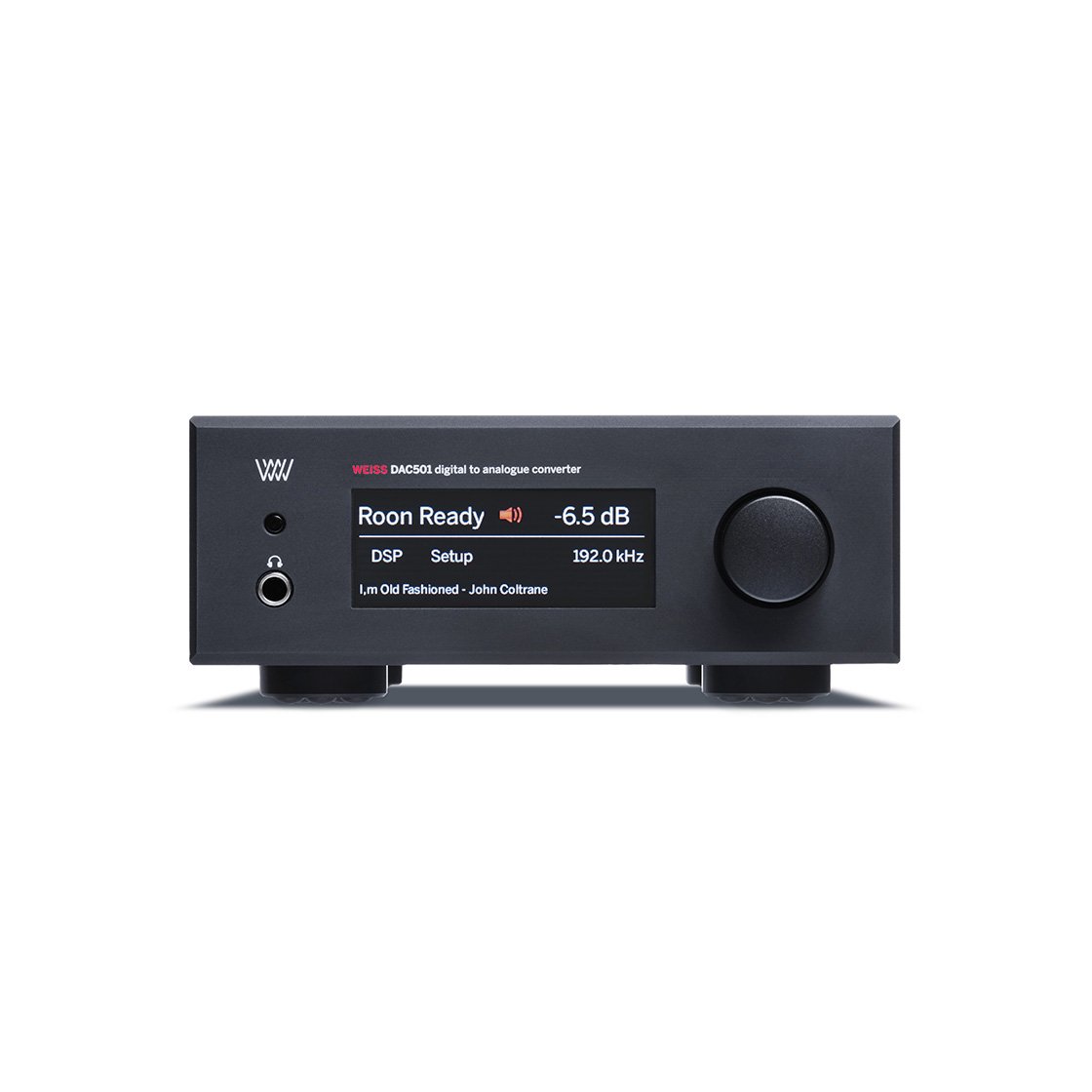 Image 1 of 3
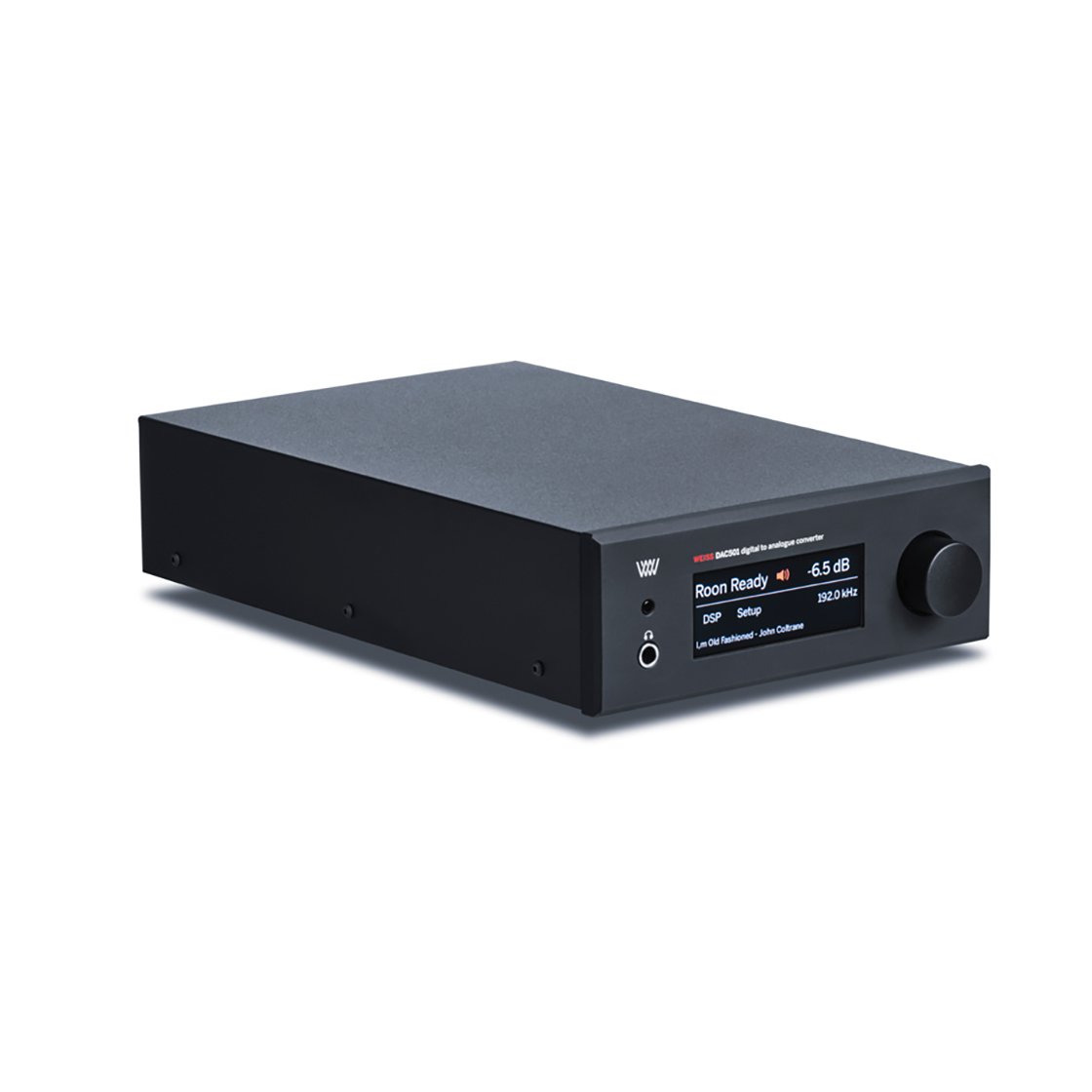 Image 2 of 3
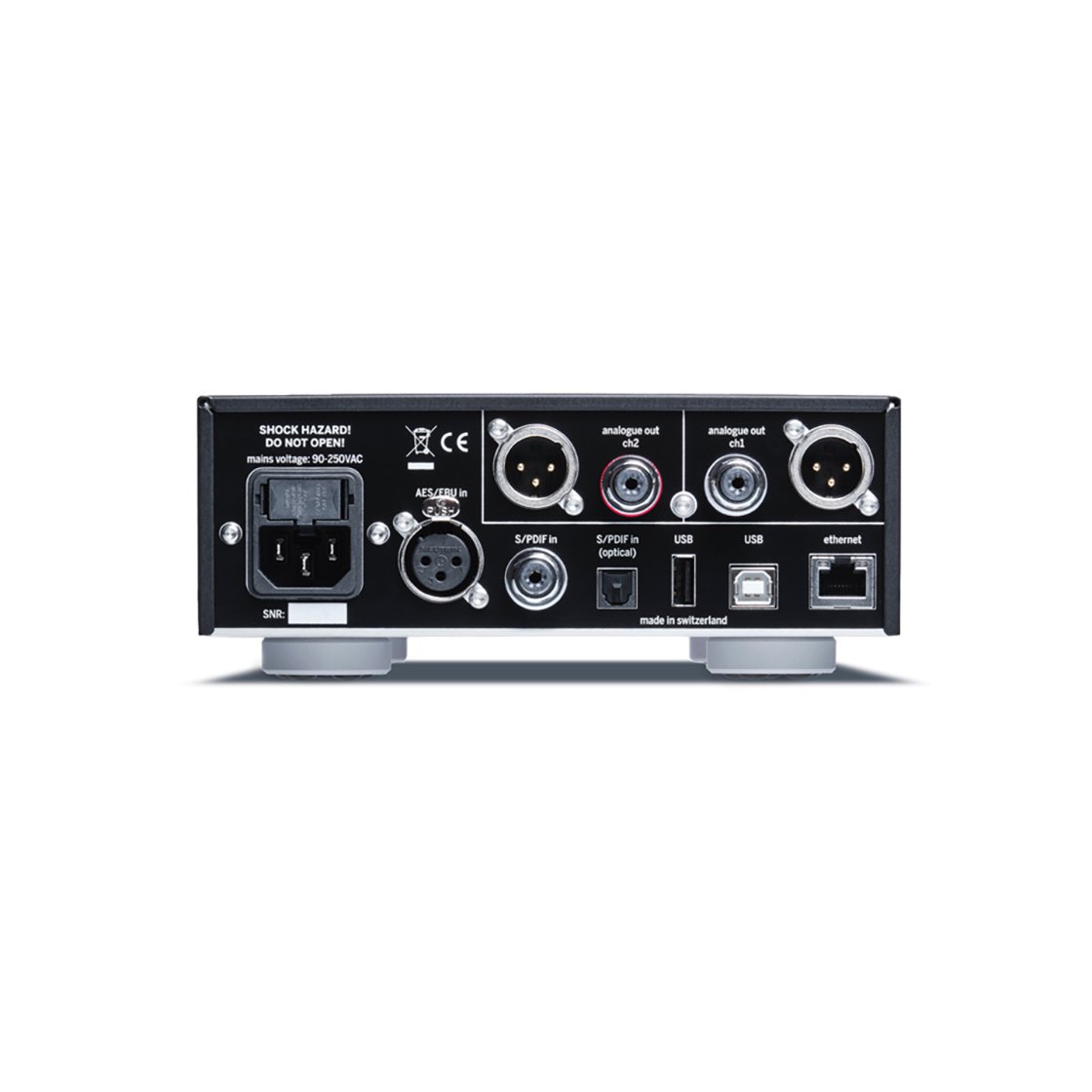 Image 3 of 3