
The Archival Turntable: Precision Through Practice
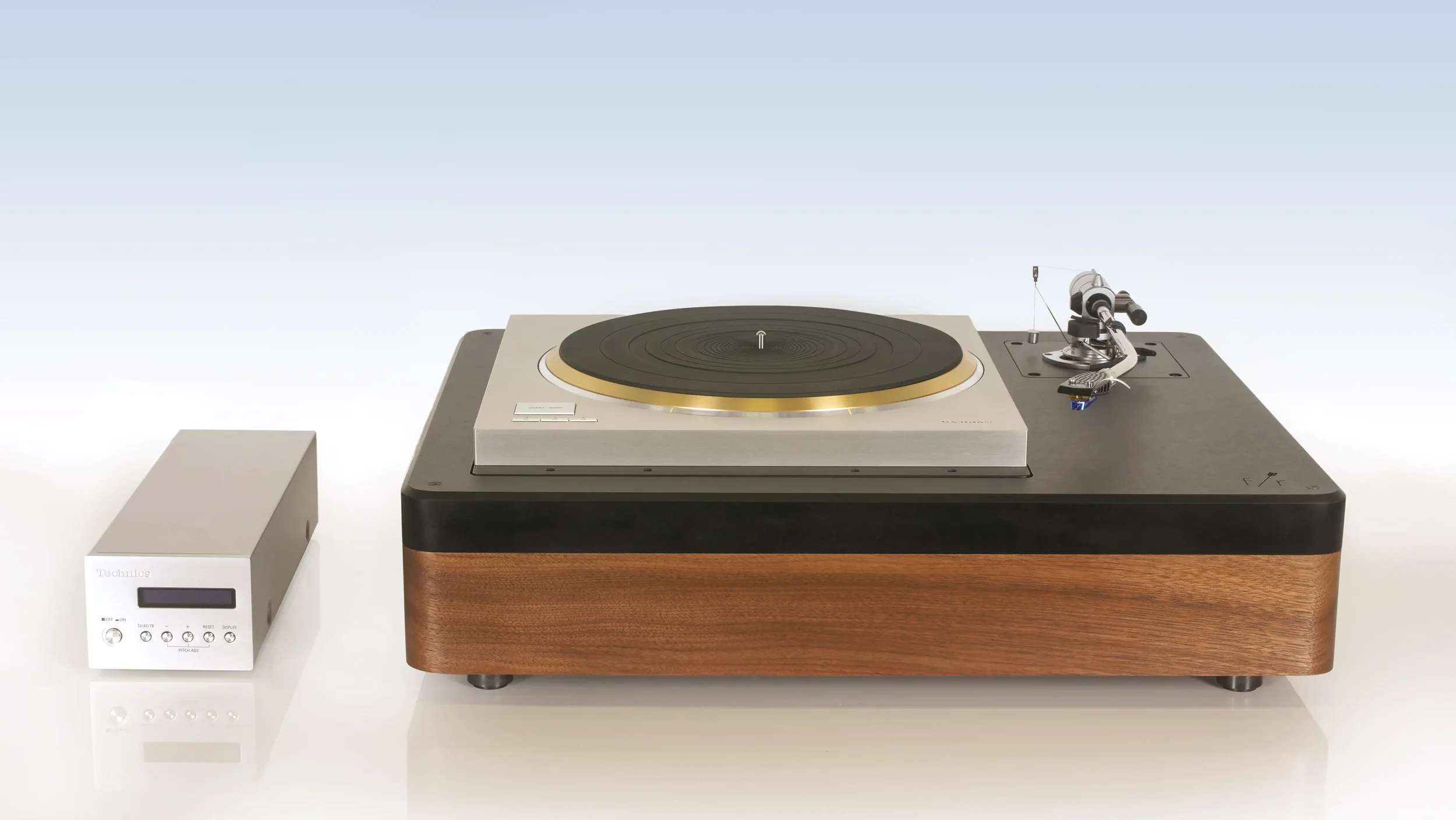
Inspired by archival-grade engineering, designed for music that reveals every detail.
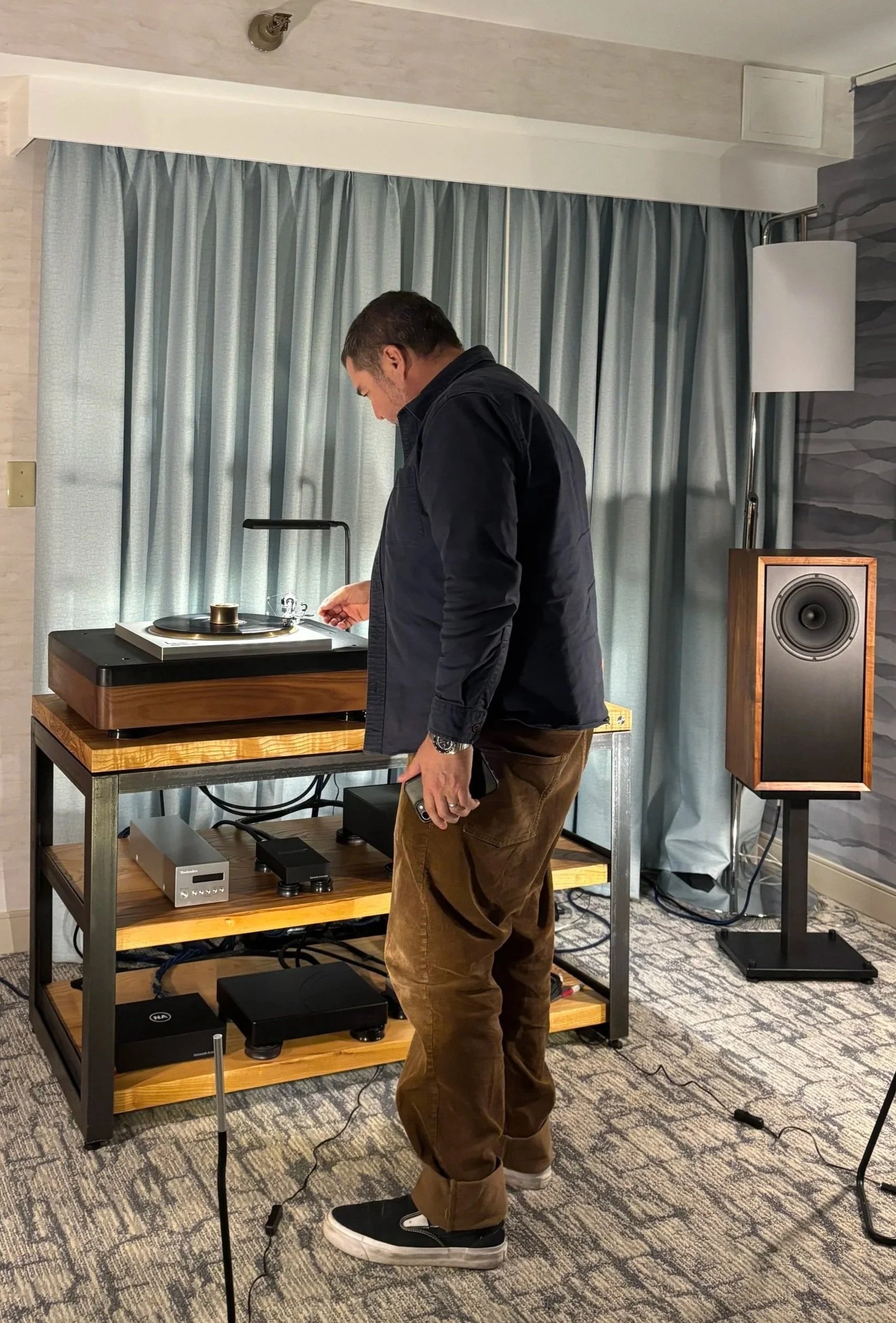
Listening first
Ever since I was a kid listening to albums on my parents’ Technics turntable (something I was repeatedly warned not to take apart), the vinyl listening experience has felt magically immediate, dimensional and alive to me.
Delivering that sense of realness and connection is our goal at Fern & Roby. Like many others, we want an experience that feels grounded, intentional and true to the recording.
The Archival Turntable is the result of countless small decisions, revisions and moments where “almost right” wasn’t going to be enough. We got there through shared listening, careful engineering, and hands-on making.
Custom plinths & configurations
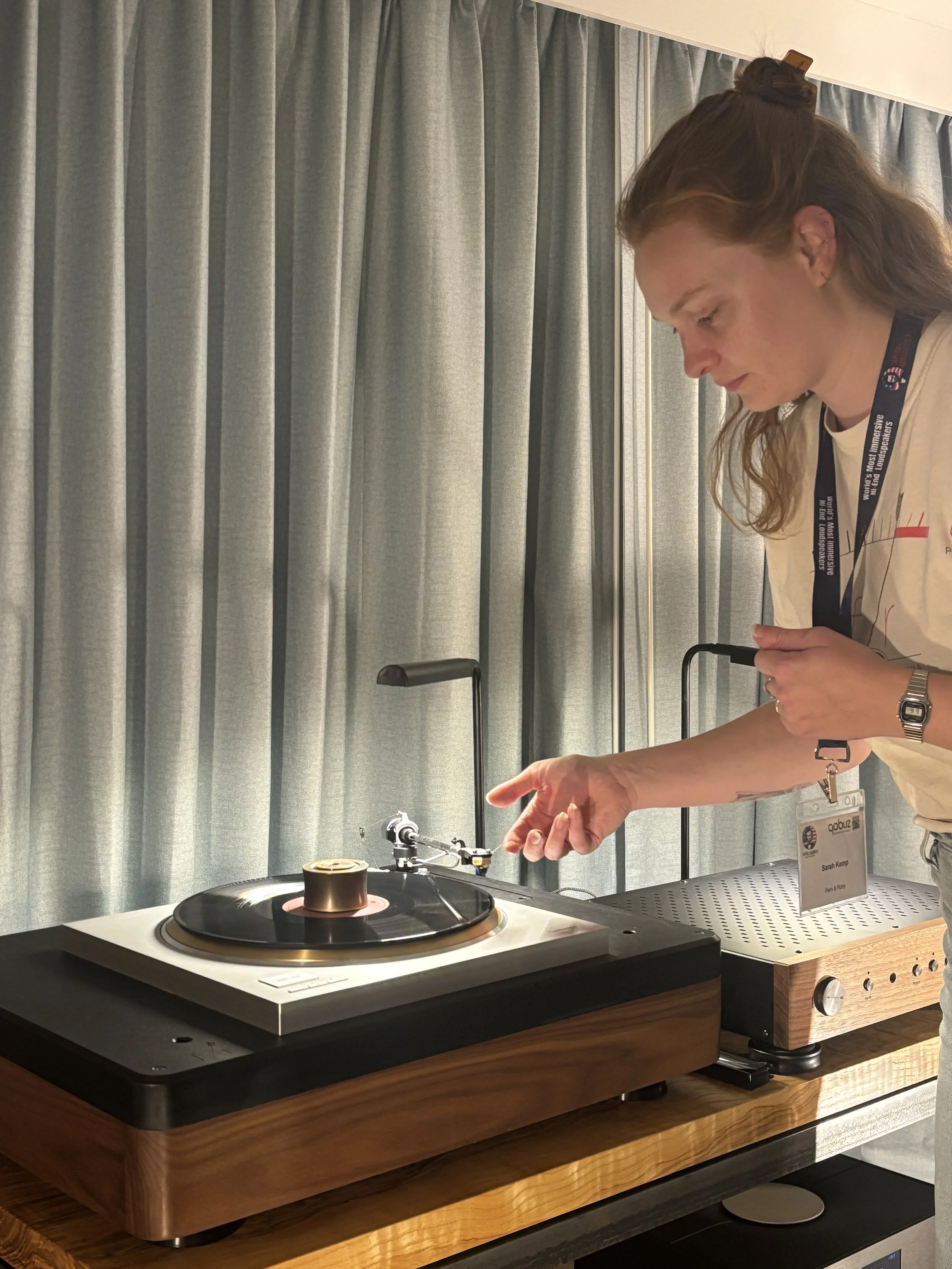
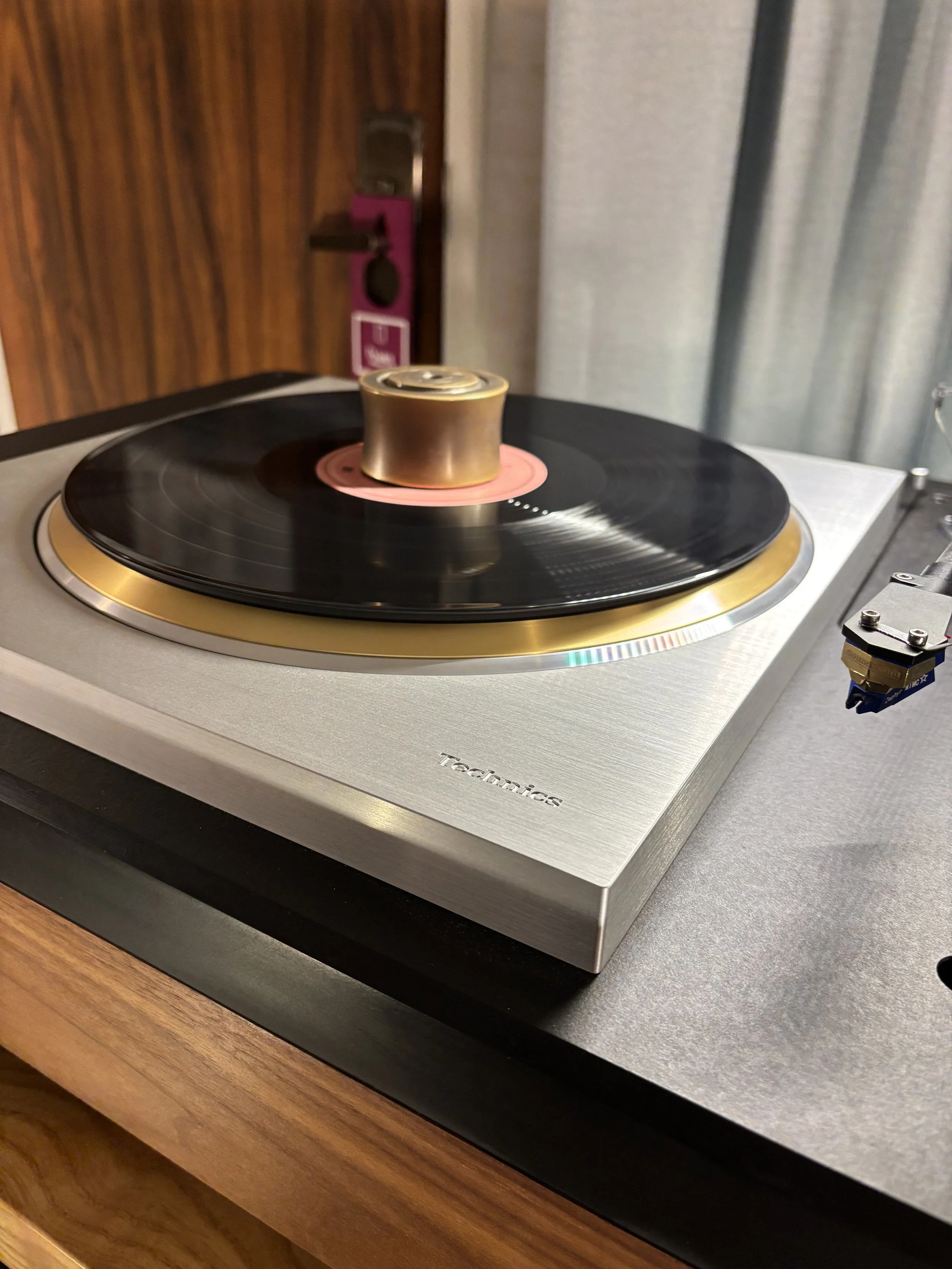
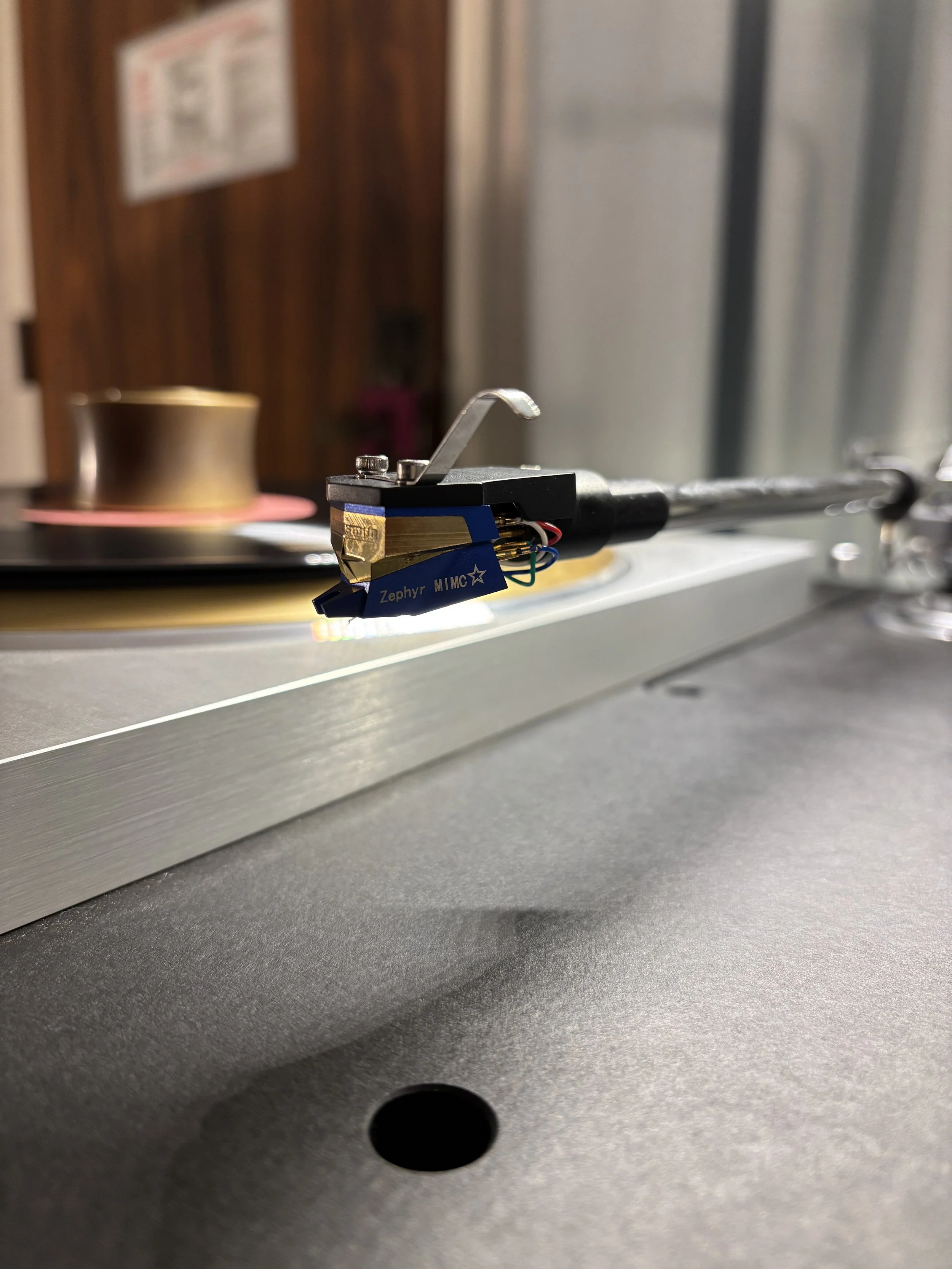
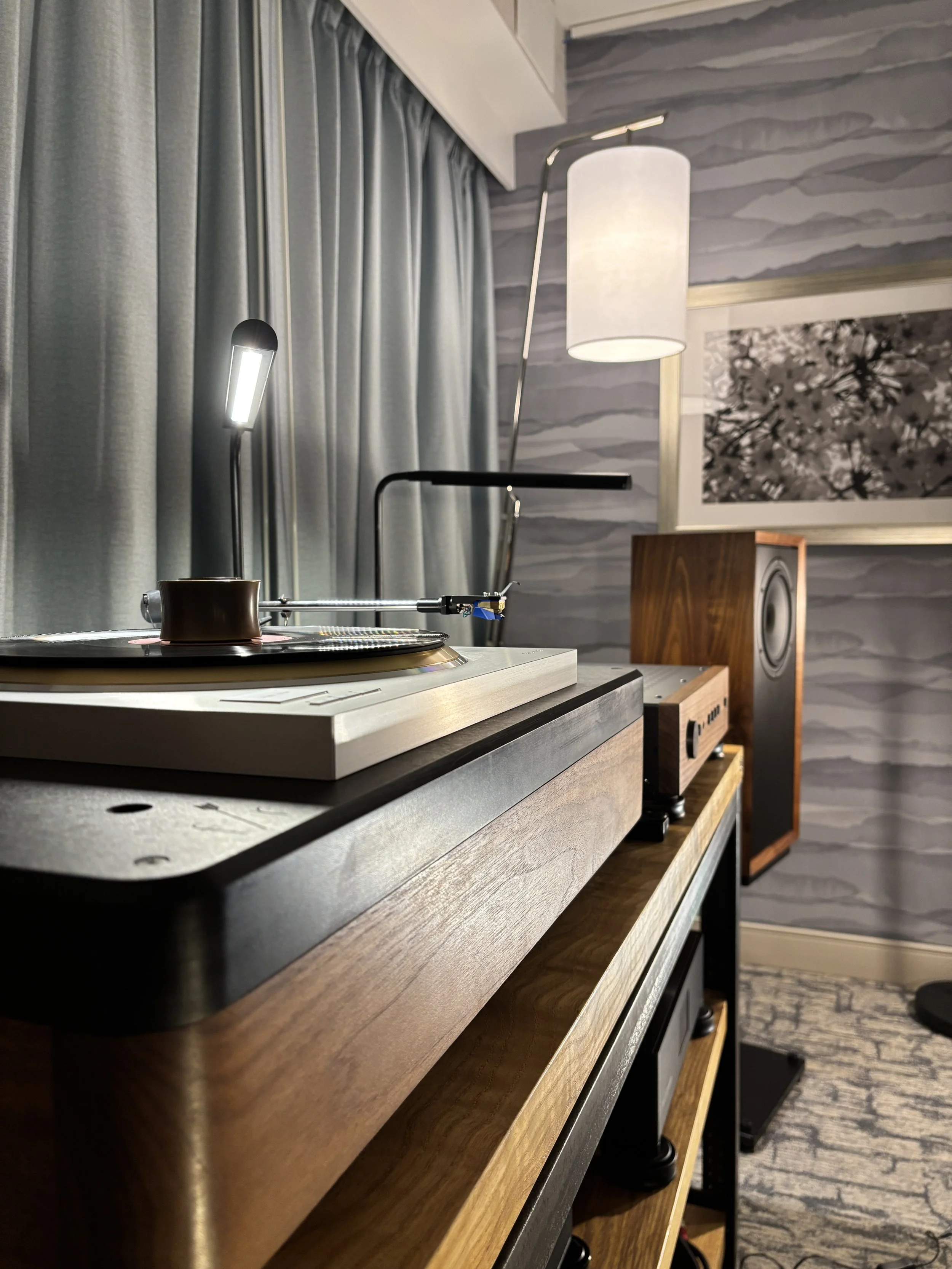
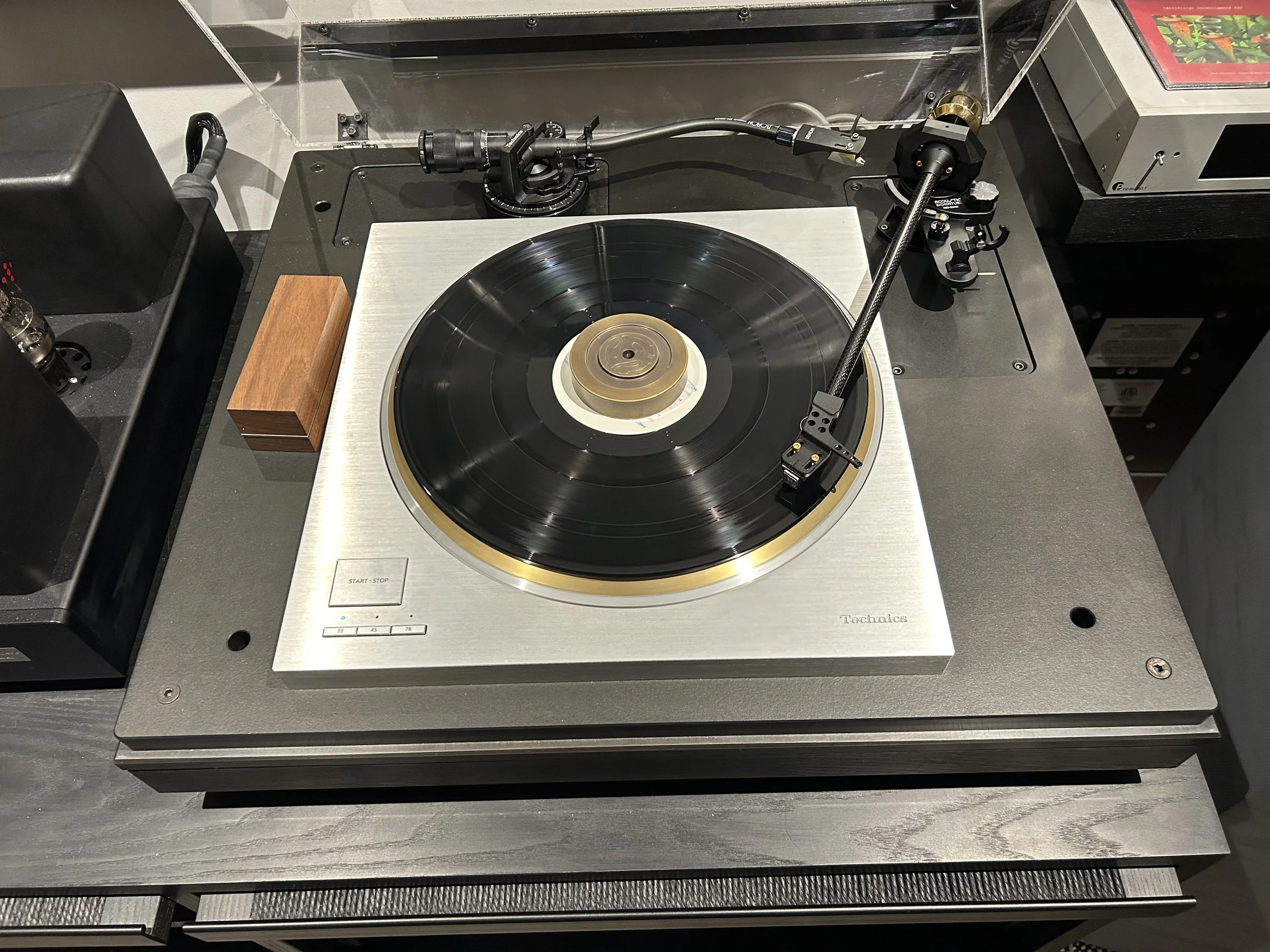
We already had experience marrying elements together to create a custom turntable component. A longtime client with an SP10R had us create a unique plinth + tonearm solution to meet his needs. That experience led to us becoming an authorized Technics dealer; we wanted to be able to offer the flexibility of direct drive turntables with custom plinths that could accommodate a wide range of tonearms.
An added benefit of becoming a Technics dealer is how it allowed us to offer our clientele a more affordable entry point into turntables generally—not everyone is ready for a bespoke custom component.
The Library of Congress project
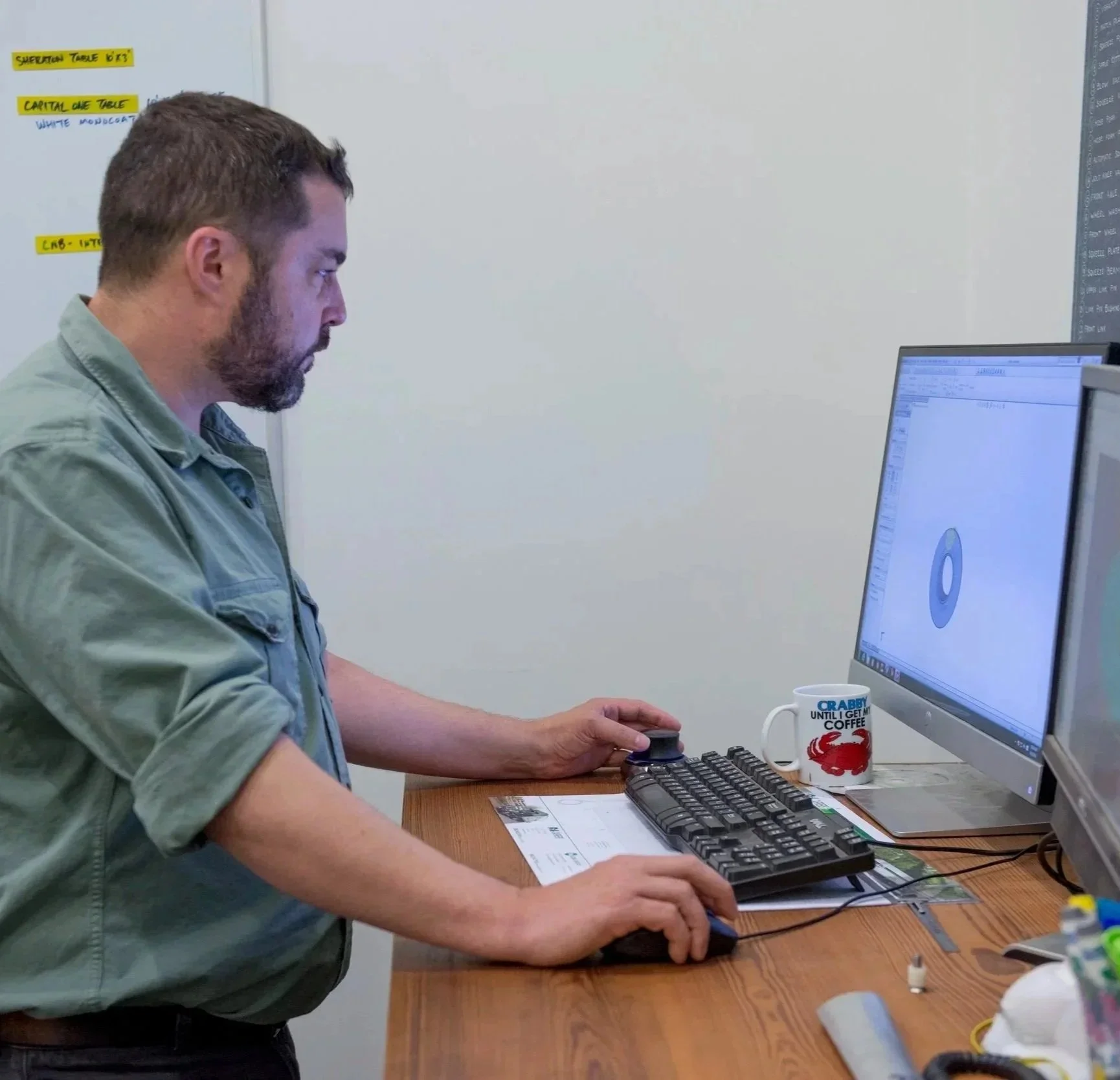
At about the same time, we were influenced by an exciting project at our parent company Tektonics Design Group.
In 2025, following a competitive federal procurement process, Tektonics was awarded a contract to design and build two complete archival-grade turntable assemblies for the Library of Congress’ National Audio-Visual Conservation Center (NAVCC).
We recognized this as an opportunity to align and build upon what we already knew and what the NAVCC wanted, and were thrilled to win the competitive bid.
The Tektonics project for the NAVCC was institutional in scope, the specifications were exacting, and the client’s parameters focused entirely on archival playback. And it fundamentally influenced what we wanted to do with our own product development path.

Lessons from preservation
The NAVCC is in Culpeper, Va., about an hour and a half from our shop in Richmond. Its mission is to preserve a vast collection of national and international audiovisual history, including thousands of analog discs.
Many of these are large-format 16” transcription discs. These require highly specialized playback systems capable of multiple speeds, exceptional stability, and precise calibration. For our team, designing this kind of equipment was a deeply enjoyable challenge in that we had to fit all of the mechanical systems into the plinth in a seamlessly integrated way.
Archival work has a way of stripping away assumptions. In environments like the NAVCC, signal-to-noise ratios are not theoretical. Building the best system possible to eliminate potential resonances in the system is crucial to documenting archival media accurately.
Tektonics’ work for the NAVCC was focused entirely on these archival-grade turntables, but inspired the Fern & Roby consumer product that came later. The experience clarified what truly matters in analog playback. The specifications we worked to are foundational and have been carefully and thoughtfully distilled into the Archival Turntable we build today.
Engineering for fidelity
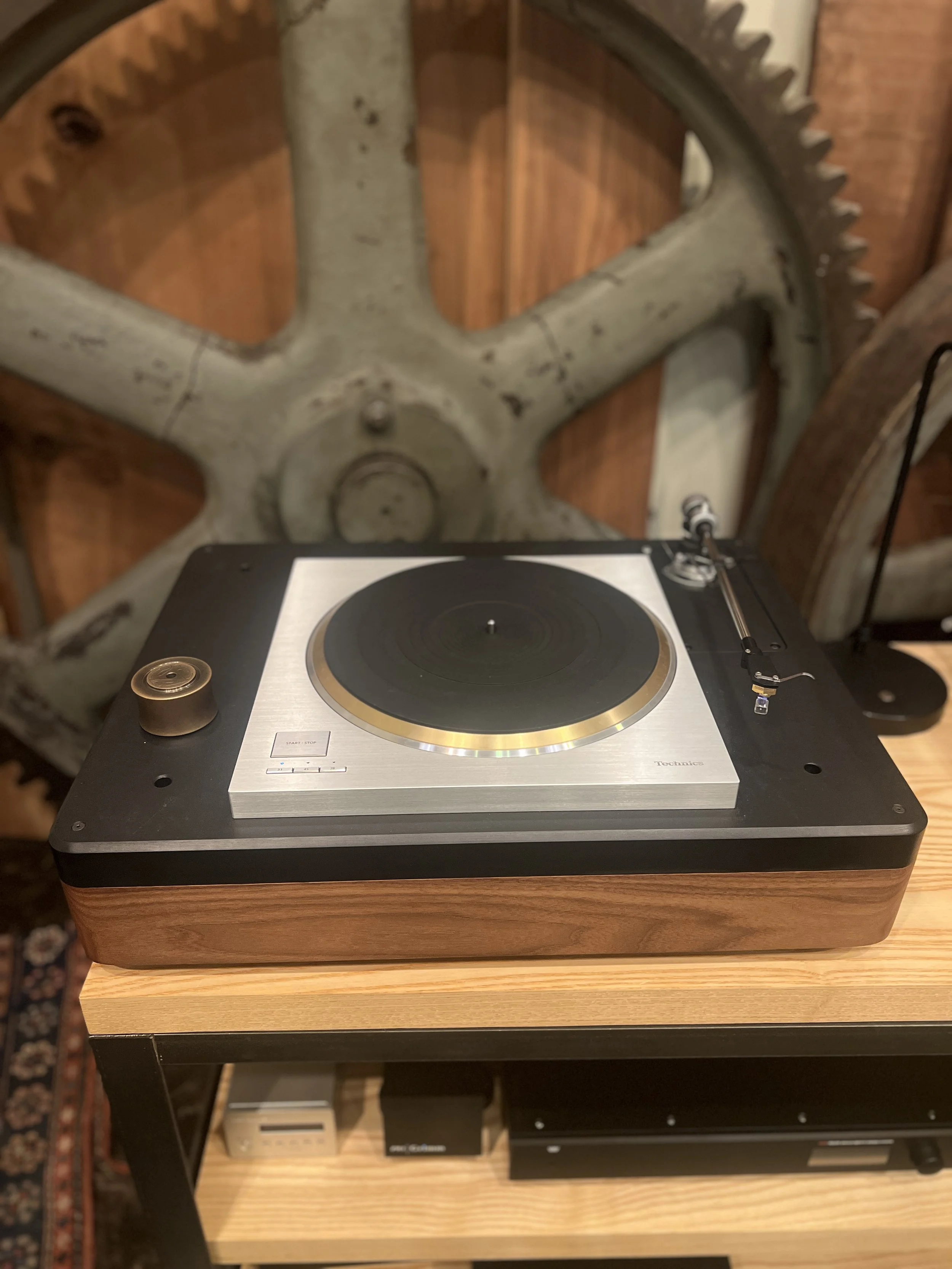
Archival-informed specifications
For the Library of Congress project, the NAVCC specified components chosen not for their prestige, but for their ability to reduce variables. Each turntable assembly needed to include:
A Technics SP10R turntable, selected for its ultra-stable direct-drive motor and exceptionally low wow and flutter
A SME M2-12R tonearm, considered essential by the Library for precise tracking and flexible calibration. It features a unique J-shaped arm with azimuth adjustment, which the library told us was a “must-have” in order to properly configure the turntables for archival use
A custom plinth, required to be of archival quality, but no larger than 24 x 24”, with sound dampening and isolation sufficient to support the SP10R in demanding playback conditions, including the ability to accommodate playback of those 16” discs
Do you notice anything missing from the NAVCC criteria? They didn’t provide any direction about materials or design aesthetics. They also did not outline any specifics related to how isolation and damping should be handled or implemented.
This was an opportunity to bring our twelve years of experience designing and building turntables for Fern & Roby to the project, culminating in us delivering the stability and quality required by researchers and audio engineers, fit neatly into a handsome form.
While the Fern & Roby Archival Turntable is its own design, those lessons guided our engineering approach. We weren’t interested in replicating an institutional system, but in translating the mindset behind it into a turntable meant for home listening.
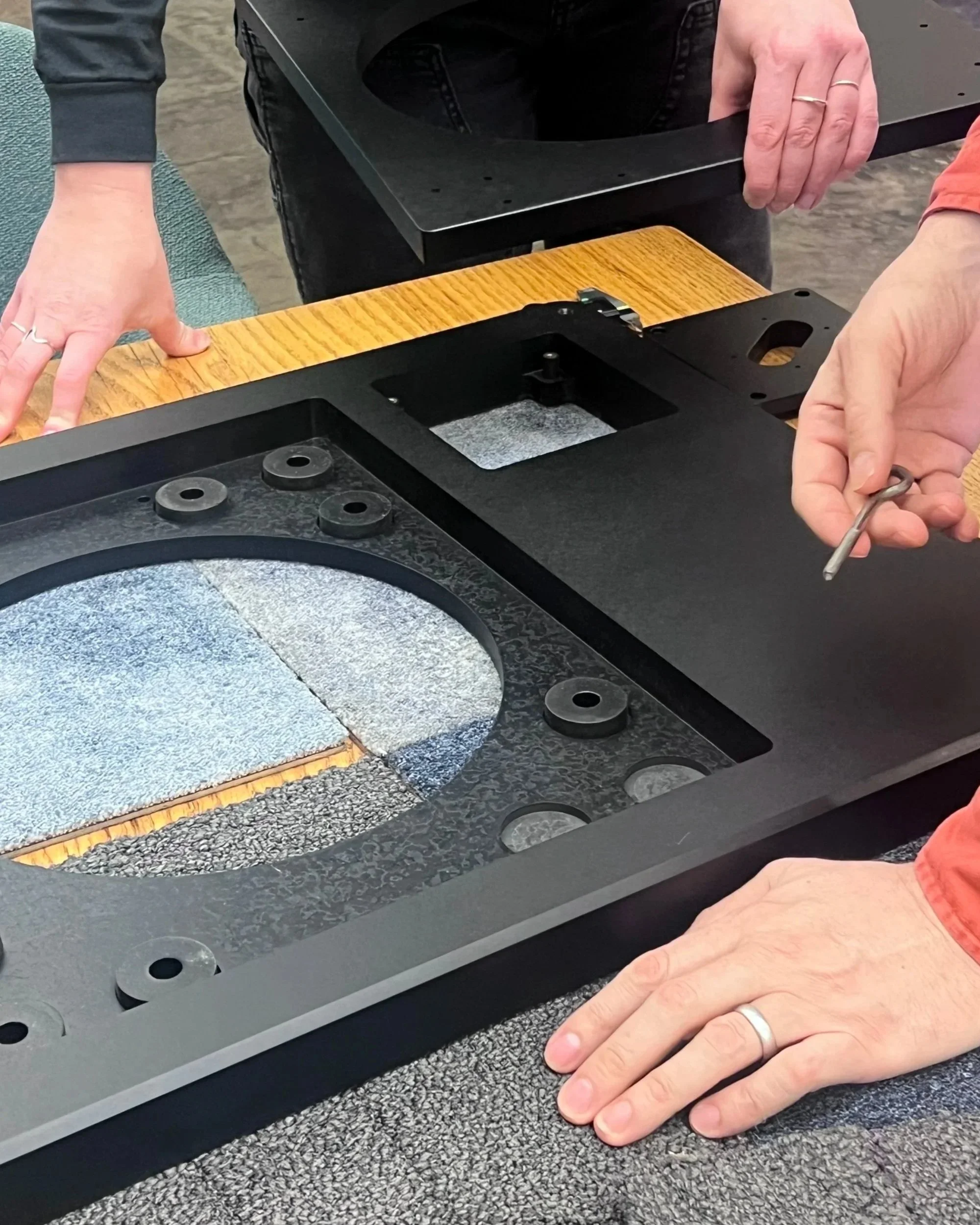
The plinth as foundation
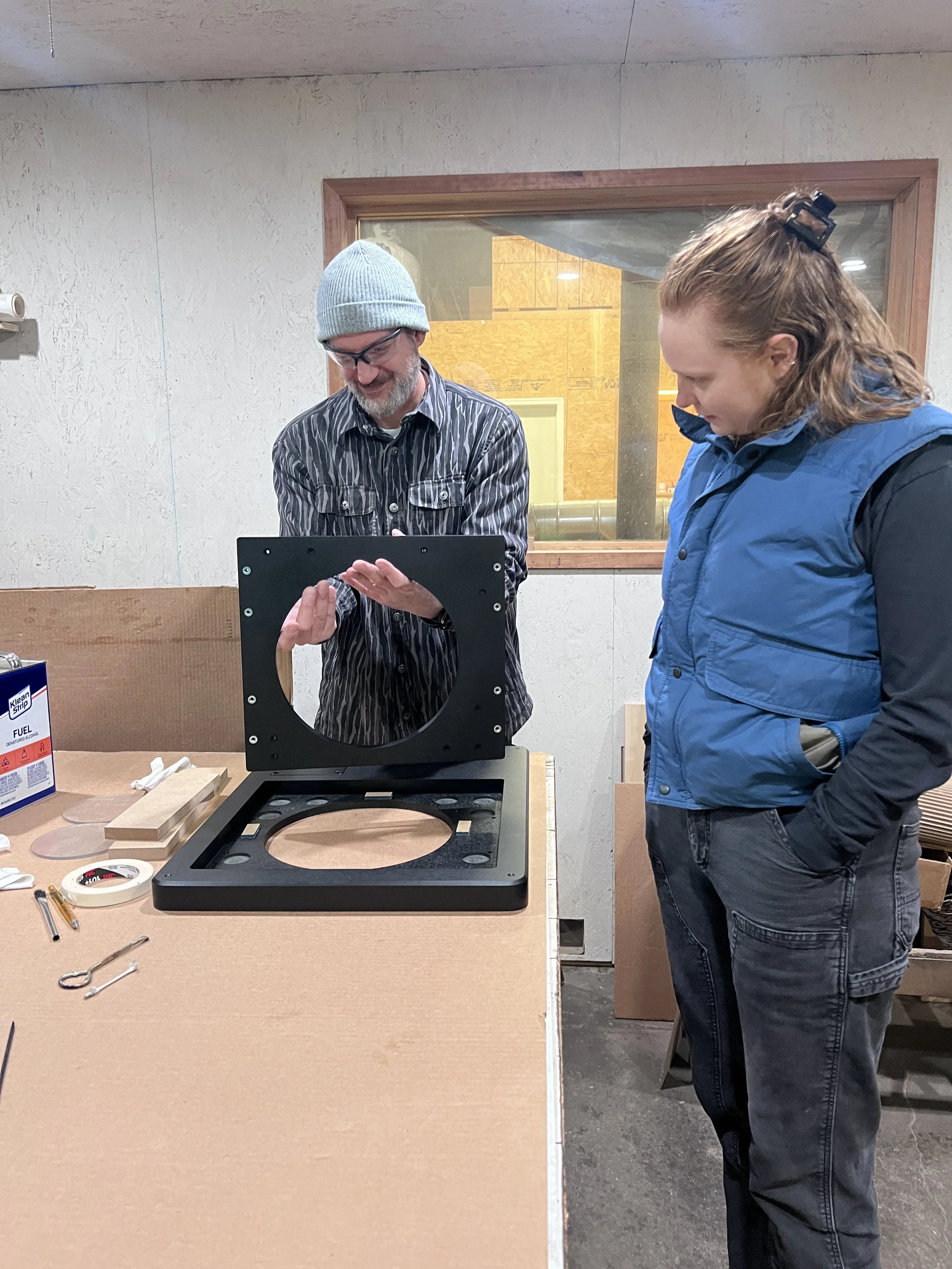
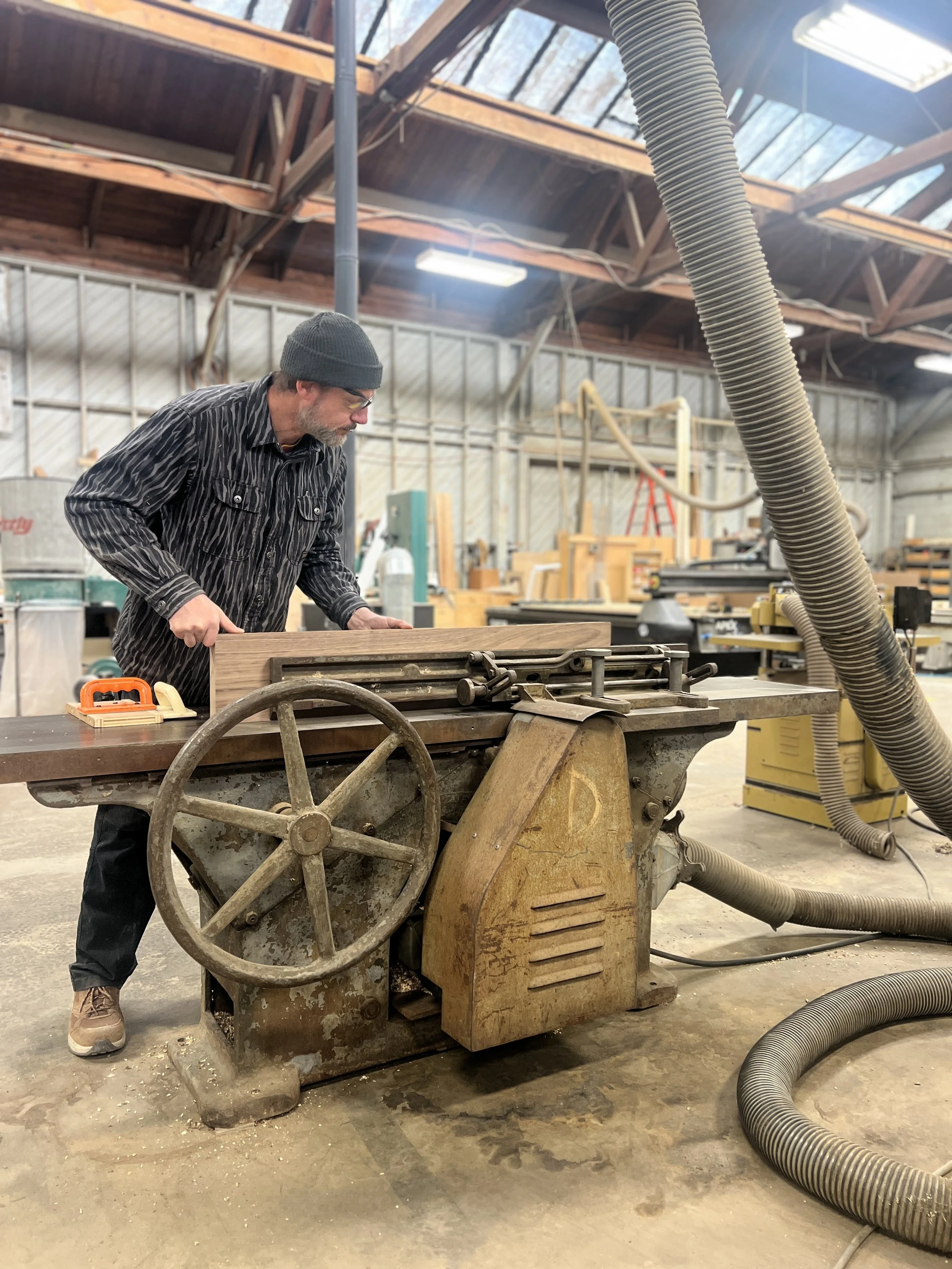
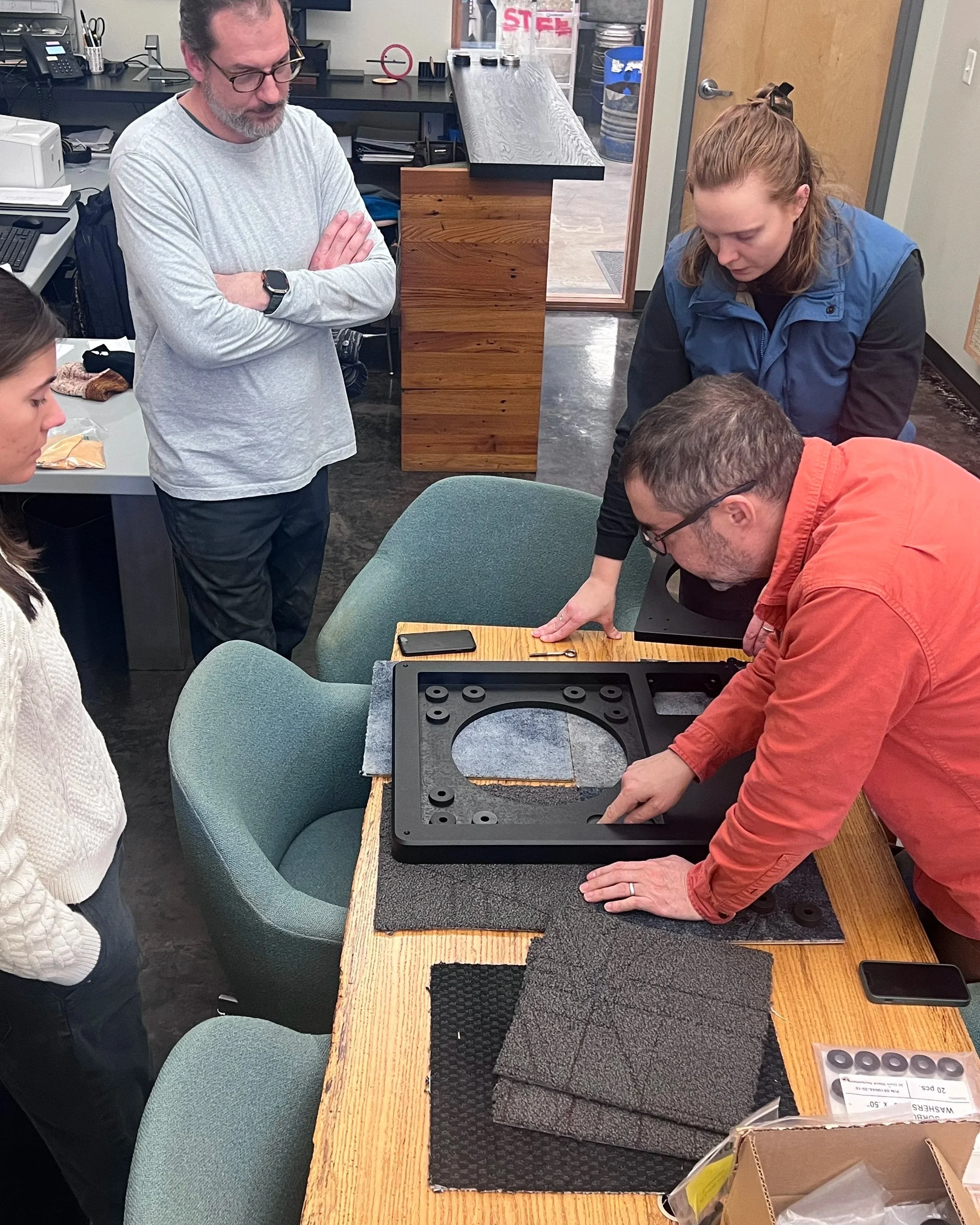
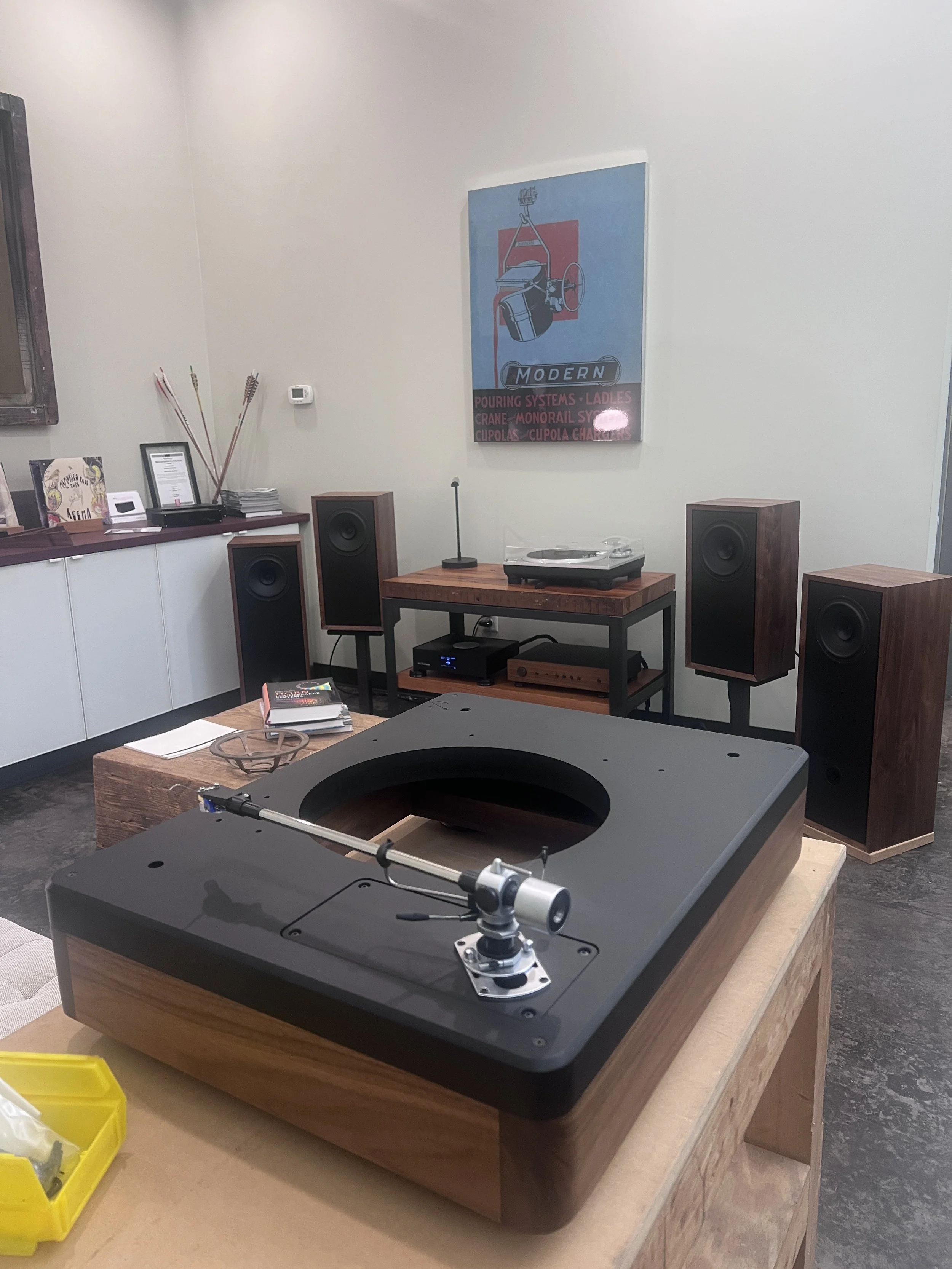
The plinth of the Archival Turntable reflects that thinking. Crafted from solid American walnut and Richlite, a dense, sustainable composite material made from recycled paper and resin, it balances the density of the resin with the matrix of paper layers. This combination helps break up resonance and reduces vibration , creating a stable platform for both platter and tonearm. The isolation features embedded in the two layers of the plinth improves the isolation and damping of the plinth below the SP10R motor.
The challenge wasn’t simply choosing materials. It was understanding how they behave together, over time, and under load. The plinth isn’t meant to draw attention to itself. Its job is to remain quiet, predictable, and supportive, so nothing interferes with the music.
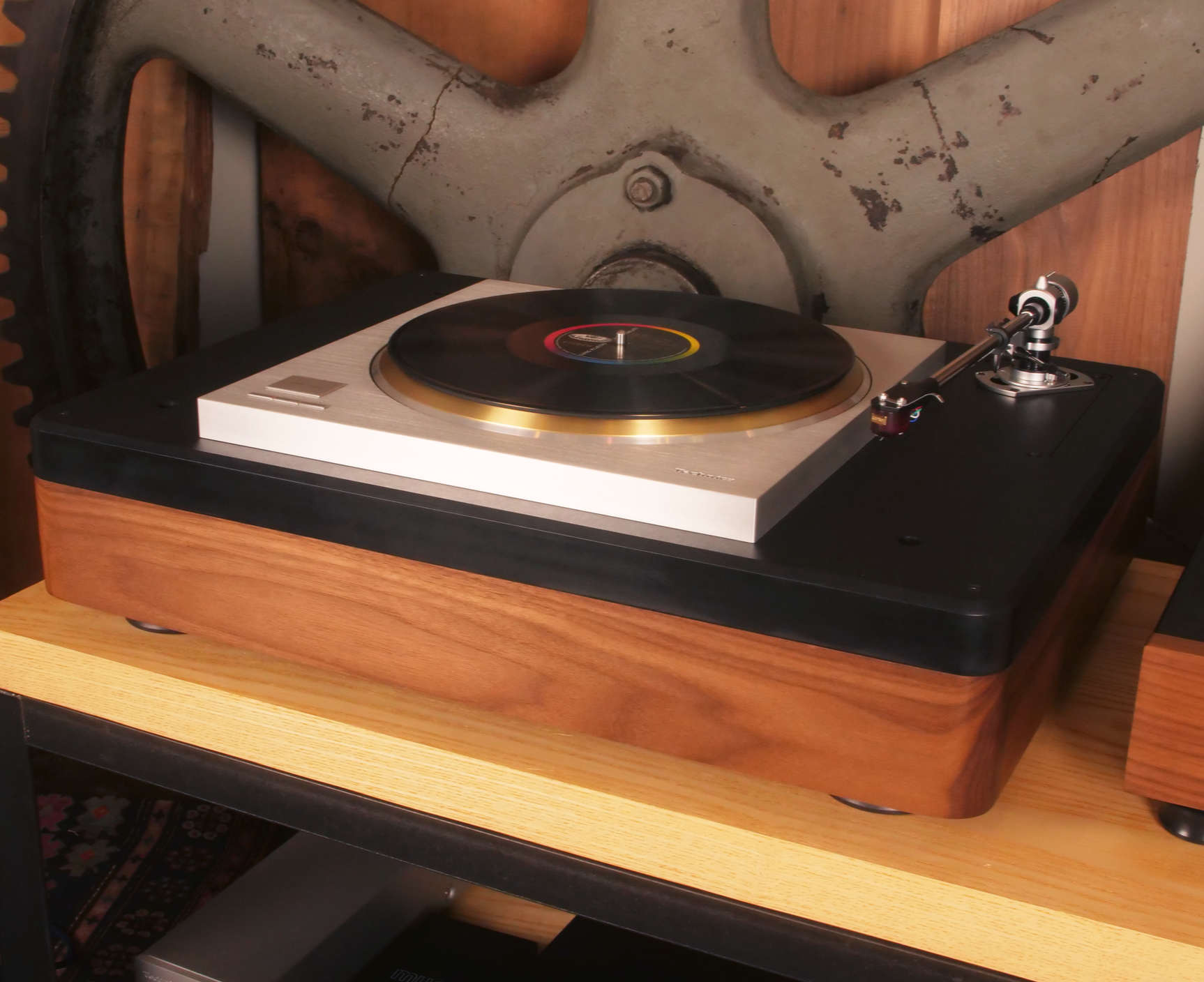
Designed for real listening
Precision only matters if it disappears into the listening experience. The Archival Turntable supports multiple speeds and disc sizes and delivers smooth, consistent rotation. All of these design decisions—from the ultra-stable plinth to the adjustable tonearm mount—work together to keep your listening experience as real as possible, allowing the music to unfold naturally.
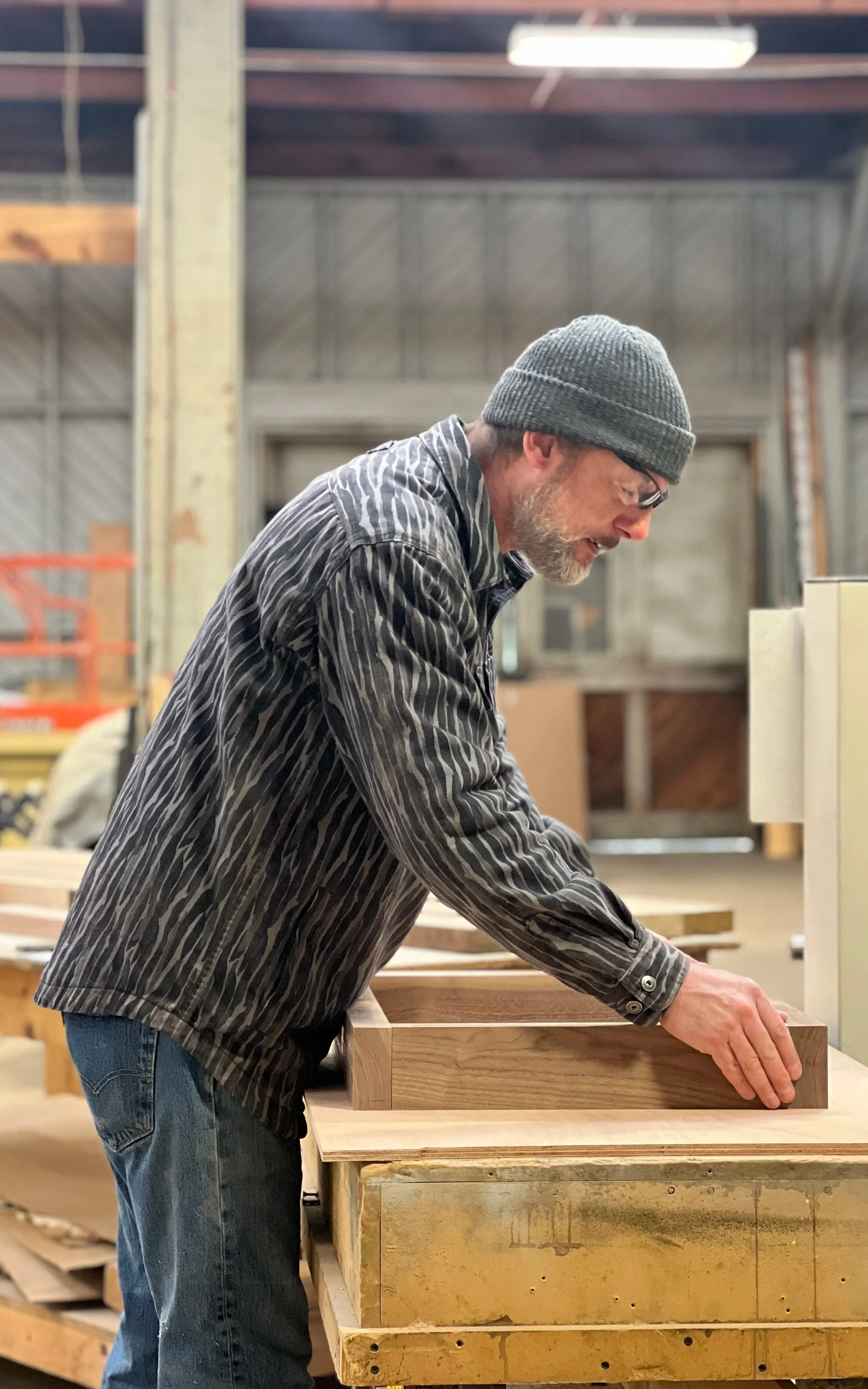
Precision, made by hand
Every Fern & Roby turntable reflects a commitment to disciplined engineering and thoughtful design and manufacture.
The Archival Turntable embodies this philosophy: it brings archival-grade principles into a product for serious listeners, combining material quality, mechanical precision and acoustic performance.
Everything we have done—from the choice of American walnut and Richlite to the design of the tonearm mount and the way we detailed the internal sound damping—has been an intentional decision. Not because complexity is impressive by itself, but because a commitment to precision honors the recording, the music, and the act of listening itself.
Key features at a glance
Inspired by archival-grade turntables designed for the Library of Congress
Technics SP10R turntable for ultra-stable direct-drive rotation with minimal wow and flutter
SME M2-12R tonearm for precise tracking and optimal playback
Custom plinth made from American walnut and Richlite for isolation and stability
Supports multiple playback speeds and larger-than-standard discs
Engineered for smooth, consistent rotation and immersive, music-first listening
Find all product details and full specs here.
Hear it for yourself
Schedule a listening session with us in our Richmond design and manufacturing space. Contact us to learn more and to schedule an appointment.